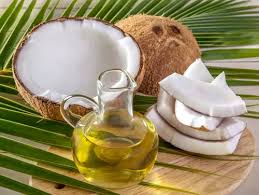
Coconut oil is no longer just a staple of tropical kitchens or a niche “superfood” found in health aisles. As of 2026, it has solidified its position as a heavy hitter in the global commodities market, valued at nearly $6 billion. From the sleek laboratories of French cosmetic giants to the biodiesel refineries of the Philippines and the frying vats of the global food industry, coconut oil is a versatile, high-stakes raw material.
This blog post provides an exhaustive deep dive into the world of coconut oil, exploring its botanical origins, the complexities of its trade on global exchanges, the factors that dictate its price, and the environmental and health debates that surround it.
1. Introduction: The Industrial Evolution of the “Tree of Life”
For centuries, the coconut palm (Cocos nucifera) has been dubbed the “Tree of Life” by coastal communities across Asia and the Pacific. Historically, its oil was extracted in small batches for local cooking, lighting, and medicine. However, the 21st century transformed this humble fat into a global industrial powerhouse.
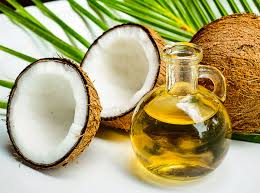
In 2026, the coconut oil market is bifurcated into two primary grades: RBD (Refined, Bleached, and Deodorized) and Virgin Coconut Oil (VCO). While VCO captures the high-margin wellness and premium food sectors, RBD oil is the workhorse of the chemical and food manufacturing industries. Its unique chemical profile—specifically its high concentration of Lauric Acid—makes it indispensable. Unlike many other vegetable oils, coconut oil remains solid at room temperature and is exceptionally resistant to oxidation, giving it a shelf life that rivals synthetic alternatives.
2. Where Coconuts Grow: The “Coconut Belt”
Coconuts are the ultimate tropical crop. They thrive in a specific geographic zone known as the “Coconut Belt,” which spans roughly 20 degrees north and south of the Equator.
-
Climatic Requirements: The palm requires high humidity, abundant sunshine, and significant annual rainfall (typically between 1,500mm and 2,500mm).
-
Soil and Salt: While they are famously salt-tolerant and thrive in sandy coastal soils, the most productive commercial plantations are often found slightly inland on well-drained volcanic or alluvial soils.
-
Key Regions: Southeast Asia is the heart of production, with Indonesia, the Philippines, and India accounting for over 70% of the world’s supply. Other notable growing regions include Sri Lanka, Thailand, Vietnam, and various Pacific Island nations like Papua New Guinea and Vanuatu.
3. Trading the Commodity: Exchanges and Tickers
Coconut oil is traded both as a physical commodity and through financial derivatives. Because it is a “Lauric oil” (along with palm kernel oil), its price is often linked to the broader vegetable oil complex, yet it frequently carries a significant premium.
Primary Trading Hubs
-
Rotterdam (The Netherlands): This is the most important physical trading hub for the Western world. Most global price benchmarks for Crude Coconut Oil (CNO) are quoted CIF (Cost, Insurance, and Freight) Rotterdam.
-
Bursa Malaysia (KLCE): While Malaysia is more famous for palm oil, its exchange serves as a regional pricing reference for the Southeast Asian vegetable oil complex.
-
Indonesia Stock Exchange (IDX): Specific companies involved in production are listed here, such as PT Indo Oil Perkasa Tbk, which trades under the ticker OILS.
Ticker Symbols and Identifiers
In the professional trading world, you will rarely see a single “stock” for coconut oil. Instead, it is tracked via:
-
CNO / PCO: Common shorthand for Crude Coconut Oil and Processed Coconut Oil in commodity reports.
-
COCO-OIL: Used by various commodity APIs and data tracking services (e.g., Commodities-API).
-
RIC (Reuters Instrument Codes): Traders use specific codes like
CNO-ROTfor Rotterdam prices.
4. Factors Affecting the Price of Coconut Oil
The price of coconut oil is notoriously volatile, often described as a “rollercoaster” compared to the more stable soybean or palm oils. In 2026, the following factors are the primary drivers of price movement:
-
Weather and Oscillations: The El Niño-Southern Oscillation (ENSO) is the single biggest threat. El Niño brings droughts to Southeast Asia, which stresses palms and reduces nut counts 12 months later. Conversely, typhoons in the Philippines can physically destroy plantations and disrupt logistics.
-
Substitution Ratios: Coconut oil is highly substitutable with Palm Kernel Oil (PKO). If the “Lauric Gap” (the price difference between the two) becomes too wide, industrial buyers will switch to PKO, forcing coconut oil prices down.
-
Biofuel Mandates: Countries like Indonesia are aggressively pushing for higher biodiesel blends (e.g., B50). While this primarily uses palm oil, it tightens the overall vegetable oil supply, lifting the “floor” for coconut oil prices.
-
Aging Palm Stock: Much of the coconut palm population in Asia is over 50 years old. As trees age, their productivity drops. A lack of large-scale replanting initiatives in the early 2020s has led to a structural supply squeeze in 2026.
-
Crude Oil Prices: Because coconut oil can be transesterified into biodiesel, its value is loosely tethered to global Brent or WTI crude prices.
5. Industrial Applications: Beyond the Kitchen
Coconut oil is a “raw material” in every sense of the word. Its applications are surprisingly diverse:
-
Cosmetics and Personal Care: This is the largest industrial consumer. Coconut oil is the base for surfactants (cleansing agents) like Cocamidopropyl betaine, found in almost every shampoo and body wash. It is also a primary emollient in lotions.
-
Food Processing: It is used in confectionery (to give chocolate a “melt-in-the-mouth” feel), bakery fats, and increasingly in plant-based meats to mimic the saturated fat marbling of animal meat.
-
Oleochemicals: It is broken down into fatty acids and glycerin for use in detergents, plastics, and synthetic resins.
-
Biofuels: In remote Pacific islands, coconut oil is often used in modified diesel generators to provide electricity, reducing the need for expensive imported fossil fuels.
6. Global Trade Dynamics: Producers, Exporters, and Importers
The global flow of coconut oil is a story of East-to-West transit.
| Category | Top Countries |
| Biggest Producers | Indonesia, Philippines, India |
| Biggest Exporters | Philippines (leads in CNO), Indonesia, Netherlands (re-exporter) |
| Biggest Importers | USA, European Union (primarily Netherlands), China, Malaysia |
The Rotterdam Factor: The Netherlands is a unique player. It is not a producer, but because of the Port of Rotterdam’s massive refinery infrastructure, it is one of the world’s largest importers of crude oil and exporters of refined oil.
7. Nutritional Benefits and Culinary Uses
In the culinary world, coconut oil is celebrated for its high smoke point (approximately 177°C for unrefined and 232°C for refined), making it ideal for sautéing and deep-frying.
-
The MCT Advantage: About 60% of coconut oil consists of Medium-Chain Triglycerides (MCTs). Unlike long-chain fats, MCTs are sent straight to the liver from the digestive tract, where they are used as a quick energy source rather than being stored as fat.
-
Lauric Acid: Nearly half of the oil is Lauric Acid, which the body converts into monolaurin, a compound with significant antimicrobial and antiviral properties.
-
Vegan Baking: It is the “holy grail” for vegan bakers because it behaves like butter—solid at room temperature but melting at body temperature—enabling flaky pie crusts and rich cookies without dairy.
8. Environmental Impacts: The Coconut vs. Palm Debate
The environmental narrative around coconut oil is complex. On one hand, it is often viewed as more “eco-friendly” than palm oil because coconuts are largely grown by smallholder farmers (nearly 95% of the market) rather than massive industrial conglomerates.
-
Biodiversity: Coconut groves are often polycultures, where farmers grow cocoa, coffee, or bananas beneath the palms. This supports much higher biodiversity than the monoculture deserts of palm oil.
-
The Yield Problem: However, the “yield gap” is a major environmental concern. One hectare of palm oil produces 10 to 15 times more oil than one hectare of coconut. As global demand rises, coconut production requires significantly more land to produce the same amount of fat, which could lead to future deforestation if not managed sustainably.
9. Climate Change: A Double-Edged Sword
Climate change is the greatest existential threat to the coconut commodity.
-
Sea Level Rise: Because many coconuts grow in coastal and island regions, rising sea levels lead to saltwater intrusion, which can eventually kill the palms.
-
Extreme Weather: Increased frequency of Super Typhoons in the “Typhoon Alley” (Philippines/Vietnam) can wipe out decades of agricultural growth in a single afternoon.
-
Drought Stresses: Prolonged dry spells reduce the size of the nuts and the oil content of the copra (dried coconut meat), leading to lower extraction yields for processors.
10. The Great Health Debate: Risks and LDL Cholesterol
Despite its “superfood” branding, coconut oil is not without controversy. The American Heart Association (AHA) and other health bodies have frequently warned against its high intake.
-
The Saturated Fat Concern: Coconut oil is roughly 82-90% saturated fat—higher than butter (63%) or beef tallow (50%).
-
LDL vs. HDL: Research consistently shows that coconut oil raises LDL (bad) cholesterol, which is a risk factor for cardiovascular disease. While it also raises HDL (good) cholesterol, most cardiologists argue that the net effect on the “total cholesterol to HDL ratio” does not justify consuming it in large quantities as a “health tonic.”
-
Caloric Density: Like all oils, it is calorie-dense, providing roughly 120 calories per tablespoon, which can lead to weight gain if not balanced.
11. Future Trends and Forecasts (2026–2035)
As we look toward the next decade, the coconut oil market is expected to undergo a “green revolution.”
-
Sustainability Certification: Expect to see a rise in Cradle-to-Gate certifications. Buyers in the EU and USA are increasingly demanding transparency, leading to the rise of “Blockchain-tracked” coconut oil to ensure no child labor or illegal deforestation occurred.
-
MCT Dominance: The pharmaceutical and nutraceutical industries will likely increase their share of the market as MCT-based supplements move from the “keto” fringe into mainstream geriatric and athletic nutrition.
-
Genetically Improved Varieties: Research into dwarf hybrids—trees that are shorter (easier to harvest) and yield more nuts—will be the key to solving the aging tree crisis.
-
B50 and Beyond: As Indonesia and the Philippines move toward higher biodiesel mandates, the “energy value” of coconut oil may eventually decouple it from its “food value,” leading to higher, more stable prices.
Conclusion
Coconut oil is a commodity of contradictions. It is a traditional “Tree of Life” sustaining millions of small farmers, yet it is an essential feedstock for the world’s largest chemical companies. It is a “superfood” to some and an “artery-clogger” to others. It is more biodiverse than palm oil, yet far less efficient in land use.
For investors, manufacturers, and consumers in 2026, the key to navigating this market lies in understanding these nuances. Whether you are tracking the CIF Rotterdam prices or simply choosing a jar for your pantry, coconut oil remains one of the most fascinating and essential commodities on the planet.