
In the vast and complex landscape of the global energy and chemical industries, some substances quietly underpin entire sectors, their names perhaps less known to the general public but absolutely critical to our modern way of life. Naphtha is one such substance. Often overshadowed by its more famous sibling, gasoline, naphtha is a crucial raw material, a chemical workhorse that fuels a diverse range of industries, from plastics to paints, and plays a significant role in the intricate dance of global trade and geopolitics.
This comprehensive blog post will delve deep into the world of naphtha, exploring what it is, how it’s produced, the industries it serves, the dynamics of its global trade, its price history, the exchanges where it’s traded, and the profound impact of geopolitical events on its market.
What is Naphtha? A Chemical Chameleon
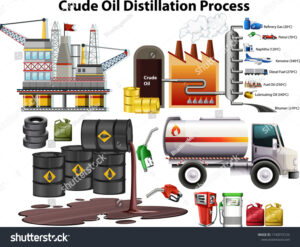
At its core, naphtha is a volatile, flammable liquid hydrocarbon mixture. It’s not a single, pure chemical compound but rather a broad category of petroleum distillates. Its exact composition can vary significantly depending on the crude oil source and the refinery processes used. Generally, naphtha comprises hydrocarbons with 5 to 12 carbon atoms, giving it a boiling point range typically between 30°C and 200°C.
To better understand naphtha, it’s often categorized into two main types:
- Light Naphtha (Paraffinic Naphtha): This fraction has a lower boiling point (around 30-90°C) and is rich in paraffinic hydrocarbons (straight-chain alkanes). It is primarily used as a feedstock for petrochemical production, especially for creating ethylene and propylene. It also finds applications in solvents, coatings, and paints.
- Heavy Naphtha (Naphthenic Naphtha): With a higher boiling point (around 90-200°C), heavy naphtha contains a greater proportion of cycloalkanes (naphthenes) and some aromatics. It’s a critical feedstock for catalytic reformers, where it’s converted into high-octane gasoline components (reformate) and valuable aromatic compounds like benzene, toluene, and xylene.
Beyond these broad categories, various specialty naphthas exist, tailored for specific uses like dry-cleaning fluids, rubber solvents, and even cigarette lighter fluid. The versatility of naphtha stems from its hydrocarbon composition and its ability to be further processed and transformed into a multitude of valuable products.
How is Naphtha Made from Crude Oil? The Refinery’s Art
The production of naphtha is an integral part of the petroleum refining process, a sophisticated series of operations that transform crude oil into a wide array of refined products. The journey begins with the crude oil distillation unit (CDU), often referred to as the atmospheric distillation unit.
- Crude Oil Distillation: Crude oil, a complex mixture of hydrocarbons with varying boiling points, is heated to high temperatures (typically around 350-400°C) and fed into a tall fractionating column. Inside the column, the crude oil vaporizes, and as the vapors rise, they gradually cool. Different hydrocarbon fractions condense at different temperature levels, with lighter, lower-boiling point components rising higher in the column and heavier components remaining at the bottom. Naphtha is collected as an overhead liquid distillate in this initial separation, often referred to as “virgin” or “straight-run” naphtha. This initial naphtha stream is then often further distilled into light and heavy naphtha fractions.
- Hydrodesulfurization (HDS): Before further processing, the naphtha stream often contains sulfur compounds, which are undesirable as they can poison catalysts in downstream processes and contribute to air pollution when burned. The naphtha undergoes hydrodesulfurization, where it’s reacted with hydrogen in the presence of a catalyst to convert sulfur compounds into hydrogen sulfide (H2S), which can then be removed.
- Further Processing (Cracking and Reforming): This is where naphtha truly becomes a chameleon, transforming into high-value petrochemical feedstocks or gasoline components.
- Steam Cracking: Light naphtha is a primary feedstock for steam crackers. In this process, naphtha is mixed with steam and heated to very high temperatures (around 800-900°C) in furnaces. This extreme heat “cracks” the larger hydrocarbon molecules into smaller, unsaturated hydrocarbons called olefins, such as ethylene, propylene, and butadiene. These olefins are the fundamental building blocks for plastics, synthetic rubbers, and a vast array of other chemicals.
- Catalytic Reforming: Heavy naphtha is typically sent to catalytic reformers. Here, in the presence of a platinum or rhenium catalyst and at high temperatures and pressures, the naphthenic and paraffinic hydrocarbons in the naphtha are rearranged and dehydrogenated to form high-octane aromatic compounds like benzene, toluene, and xylenes (BTX). This “reformate” is a valuable blending component for gasoline, significantly increasing its octane rating. The hydrogen produced as a byproduct is also valuable and used in other refinery processes, including hydrodesulfurization.
Some refinery processes, such as fluid catalytic cracking (FCC), visbreaking, and coking, which convert heavier, less valuable crude oil fractions, also produce naphtha, often referred to as “cracked naphtha.” These cracked naphthas may contain olefins and require additional processing.
Technological advancements in refining processes, including improved catalysts and process optimization techniques, have significantly enhanced the yield and quality of naphtha extracted from crude oil, solidifying its pivotal role in the petrochemical industry.
Industries That Run on Naphtha: The Backbone of Modern Life
Naphtha’s versatility makes it an indispensable raw material across a multitude of industries. Its applications can be broadly categorized as follows:
- Petrochemical Industry (The Largest Consumer): This is by far the most significant end-user of naphtha, consuming over 60% of the global supply. Naphtha serves as a primary feedstock for:
- Olefins Production: As mentioned, light naphtha is steam cracked to produce ethylene, propylene, and butadiene. These olefins are the foundational chemicals for:
- Plastics: Polyethylene (PE), polypropylene (PP), polyvinyl chloride (PVC), polystyrene (PS) – used in everything from packaging and pipes to automotive parts and toys.
- Synthetic Rubbers: Used in tires, seals, and various industrial applications.
- Synthetic Fibers: Polyester, nylon, acrylics – found in clothing, carpets, and industrial textiles.
- Other Chemical Intermediates: Leading to a vast array of downstream products.
- Aromatics Production: Heavy naphtha, through catalytic reforming, produces benzene, toluene, and xylenes (BTX). These aromatics are crucial for:
- Solvents: Used in paints, coatings, adhesives, and inks.
- Pesticides and Pharmaceuticals: Key components in the synthesis of many active ingredients.
- Dyes and Resins: Used in various manufacturing processes.
- Olefins Production: As mentioned, light naphtha is steam cracked to produce ethylene, propylene, and butadiene. These olefins are the foundational chemicals for:
- Gasoline Blending: A significant portion of naphtha, particularly reformate derived from heavy naphtha, is blended into gasoline to increase its octane rating, which prevents engine knocking and improves fuel efficiency.
- Solvents and Diluents: Various grades of naphtha are widely used as solvents and diluents in:
- Paints and Coatings: As a thinning agent and carrier.
- Adhesives: To dissolve resins and other components.
- Inks: In printing processes.
- Dry Cleaning: As a solvent for removing stains.
- Industrial Extraction Processes: For extracting oils and other substances.
- Specialty Fuels: Naphtha’s clean-burning properties make it suitable for specific fuel applications:
- Camping Stoves and Lanterns: As a fuel source.
- Cigarette Lighters: As the flammable liquid.
- Heating Units and Blowtorches: For industrial and domestic heating.
- Agriculture: While less direct, some naphtha derivatives find their way into agricultural chemicals like pesticides.
The continuous growth of these industries, particularly the petrochemical sector, directly drives the demand for naphtha globally.
Global Trade of Naphtha: Importers and Exporters
Naphtha is a globally traded commodity, with supply and demand dynamics heavily influenced by regional refining capacities, crude oil availability, and the growth of downstream industries. While precise, real-time data on the absolute largest importers and exporters can fluctuate, certain trends and key players consistently emerge.
Leading Importers:
The primary drivers of naphtha imports are countries with robust petrochemical industries and those that lack sufficient domestic refining capacity to meet their demand for petrochemical feedstocks or gasoline blending components. Historically, Asia-Pacific has been the dominant importing region due to its rapidly expanding manufacturing base and burgeoning demand for plastics and other petrochemical derivatives.
Based on recent trade data, some of the top naphtha importing nations include:
- China: As the world’s manufacturing hub and a massive consumer of plastics and chemicals, China’s demand for naphtha as a petrochemical feedstock is immense and continues to grow.
- India: With a rapidly expanding economy and a growing petrochemical sector, India is a significant and increasing importer of naphtha.
- South Korea: Home to some of the largest petrochemical complexes in Asia, South Korea consistently ranks among the top naphtha importers, relying heavily on it for olefin production.
- Japan: Another major petrochemical producer in Asia, Japan also imports substantial volumes of naphtha.
- European Union (collectively): While individual European nations might not top the list, the EU as a bloc represents a significant importing region for naphtha, driven by its well-established chemical industries.
- Vietnam: Emerging as a notable importer, reflecting its growing industrial activity.
- United States: While a major producer of crude oil and refined products, the US also imports specialty naphthas and can be a significant importer depending on regional supply-demand balances and refinery configurations. Mexico is also a notable importer, particularly from the US.
Leading Exporters:
Naphtha exports are primarily driven by countries with surplus refining capacity, access to diverse crude oil sources, and a strong upstream oil and gas sector. The Middle East, with its vast crude oil reserves and extensive refining infrastructure, is a key exporting region.
Some of the significant naphtha exporting countries include:
- Saudi Arabia: A powerhouse in crude oil production and refining, Saudi Arabia is a major exporter of various refined products, including naphtha, to global markets, especially Asia.
- United States: Despite being an importer, the US is also a significant exporter of specific naphtha grades, particularly those derived from its abundant shale oil production. Its flexible refining system allows it to optimize production for export when advantageous.
- Qatar: A major natural gas producer, Qatar also exports naphtha as part of its condensate processing.
- United Arab Emirates: Another key Middle Eastern oil producer with substantial refining capacity.
- India: While a major importer, India also has significant refining capacity and can be an exporter of certain naphtha grades depending on domestic demand and refinery operations.
- Russia: A major global energy supplier, Russia exports naphtha, primarily to European and Asian markets, though geopolitical factors have significantly impacted these flows recently.
- Netherlands (as a trading hub): While not a major producer, the Netherlands, particularly the ARA (Amsterdam-Rotterdam-Antwerp) region, acts as a crucial trading and storage hub for refined petroleum products, including naphtha, facilitating re-exports.
The global naphtha trade is a complex web, with volumes and directions constantly shifting based on refinery maintenance, new plant startups, economic growth, and geopolitical developments.
Naphtha Price History: Volatility and Interconnectedness
Naphtha prices are inherently linked to crude oil prices, as naphtha is a direct derivative of crude. However, its price also reflects the dynamics of the petrochemical market, making it subject to additional layers of volatility.
- Crude Oil as the Primary Driver: The most significant factor influencing naphtha prices is the cost of crude oil. Any major fluctuations in global crude benchmarks (like Brent or WTI) will almost immediately impact naphtha prices. Factors like OPEC+ decisions, geopolitical tensions in oil-producing regions, global economic growth forecasts, and inventory levels of crude oil all ripple down to naphtha.
- Petrochemical Demand: The health of the global petrochemical industry plays a crucial role. High demand for plastics, synthetic fibers, and other chemical derivatives translates to increased demand for naphtha as a feedstock, pushing prices up. Conversely, a slowdown in manufacturing or oversupply in the petrochemical sector can depress naphtha prices.
- Refinery Margins and Operations: Refinery maintenance schedules, unexpected outages, and changes in refinery configurations can impact naphtha supply. For instance, if refineries prioritize gasoline production due to strong automotive fuel demand, naphtha supply for petrochemicals might tighten, leading to higher prices.
- Alternative Feedstocks: The availability and price of alternative petrochemical feedstocks, such as ethane and LPG (Liquefied Petroleum Gas), can also influence naphtha prices. In regions with abundant shale gas (like the US), ethane cracking can be more economical than naphtha cracking, potentially reducing naphtha demand and putting downward pressure on its price.
- Seasonal Demand: While less pronounced than for fuels, there can be some seasonal variations related to agricultural cycles (for solvents in pesticides) or construction activity (for paints and coatings).
General Price Trends (Illustrative, not exact figures for future):
Historically, naphtha prices have mirrored the general upward trend of crude oil over the past few decades, punctuated by significant spikes and dips.
- 2000s: A period of relatively steady growth, reflecting increasing global energy demand, especially from emerging economies.
- 2008 Financial Crisis: A sharp decline in prices across all commodities, including naphtha, as global economic activity plummeted.
- 2010-2014: Recovery and sustained high prices, driven by strong demand from Asia and continued global economic recovery.
- 2014-2016 Oil Price Collapse: A dramatic drop in crude oil prices due to oversupply (driven by US shale oil boom) and slowing global growth, leading to a significant fall in naphtha prices.
- 2017-2019: Gradual recovery and stabilization.
- 2020 COVID-19 Pandemic: An unprecedented collapse in demand, leading to historical lows in oil and naphtha prices as global mobility and industrial activity came to a halt.
- 2021-2022: A sharp rebound, driven by post-pandemic economic recovery, supply chain disruptions, and the Russia-Ukraine conflict.
- 2023-2025: Prices have remained volatile, influenced by ongoing geopolitical tensions, inflation concerns, interest rate policies, and the pace of the global energy transition. The balance between crude oil supply (OPEC+ policies, non-OPEC production) and global demand, alongside the health of the petrochemical industry, will continue to dictate naphtha price movements.
It’s important to note that naphtha prices are typically quoted in US dollars per metric ton ($/MT) or per barrel (bbl). Different grades of naphtha will also command different prices based on their specific chemical composition and intended use.
Exchanges Where Naphtha is Traded
While a significant portion of naphtha trade occurs via direct contracts between refiners, petrochemical companies, and traders, there are also avenues for futures and derivatives trading that provide price discovery, hedging opportunities, and liquidity.
The key exchanges where naphtha futures and derivatives are traded include:
- ICE Futures Europe (Intercontinental Exchange): ICE is a major global exchange for energy commodities. It offers Naphtha futures contracts, particularly the Asia Naphtha (Platts) Futures. These contracts are financially settled against the price assessments published by Platts, a leading energy information provider. This makes them highly relevant for players in the Asian naphtha market.
- Singapore Exchange (SGX): SGX also lists Naphtha futures contracts, typically referenced against Platts assessments for the Singapore market. Singapore is a crucial trading hub for refined petroleum products in Asia, and SGX contracts provide hedging tools for participants in the region.
- Dubai Mercantile Exchange (DME): While primarily known for its Oman crude oil futures, DME may offer or be developing instruments related to naphtha, particularly given the Middle East’s role as a major exporter.
- Over-the-Counter (OTC) Market: A significant amount of naphtha trading still occurs in the over-the-counter market, where bespoke contracts are negotiated directly between parties. This offers flexibility but lacks the transparency and clearing mechanisms of exchange-traded products. Brokers and large trading houses facilitate these OTC transactions.
These exchange-traded contracts allow participants to manage price risk, speculate on future price movements, and gain exposure to the naphtha market without physically taking delivery of the product. The liquidity and transparency of these exchanges contribute to efficient price formation.
Geopolitics: The Unpredictable Force Shaping Naphtha
Few commodities are as susceptible to geopolitical tremors as oil and its derivatives, and naphtha is no exception. Global politics, conflicts, and policy decisions can swiftly and dramatically alter the supply-demand balance and price trajectory of naphtha.
- Supply Disruptions in Key Producing Regions:
- Middle East Instability: The Middle East is a vital source of crude oil and refined products, including naphtha. Conflicts, political instability, or attacks on oil infrastructure in countries like Saudi Arabia, UAE, or Iraq can immediately disrupt crude oil flows, leading to higher feedstock costs for refiners and tighter naphtha supply. The Strait of Hormuz, a critical chokepoint for oil shipments, remains a constant geopolitical risk.
- Russia-Ukraine Conflict: The ongoing conflict has profoundly reshaped global energy markets. Russia is a major oil and gas producer and exporter. Sanctions against Russian energy exports have forced a re-routing of crude and refined products, increasing freight costs and creating regional supply imbalances. While some Russian naphtha still finds its way to markets, the disruption of traditional trade routes has certainly impacted global flows and pricing.
- Other Regional Conflicts: Any conflict or unrest in other significant oil-producing regions (e.g., Libya, Nigeria, Venezuela) can have a ripple effect on global oil supply and, consequently, naphtha availability and price.
- Trade Policies and Sanctions:
- Sanctions on Oil-Producing Nations: Sanctions imposed by major powers on countries like Iran or Venezuela restrict their ability to export crude oil and refined products, including naphtha. This reduces global supply and can push prices higher.
- Trade Wars and Tariffs: Broader trade disputes between major economic blocs (e.g., US-China) can impact demand for petrochemical products, affecting the underlying demand for naphtha. Tariffs on imported goods can also increase the cost of doing business.
- Strategic Petroleum Reserves (SPRs): Governments, particularly in consuming nations, maintain strategic petroleum reserves. Decisions to release oil from these reserves (e.g., to calm markets during supply disruptions) can temporarily increase crude supply, potentially easing pressure on naphtha prices. Conversely, decisions to replenish reserves can add to demand.
- Energy Transition Policies:
- Decarbonization Goals: Growing global efforts to combat climate change are leading to policies aimed at reducing reliance on fossil fuels. While naphtha remains crucial for petrochemicals, long-term trends towards renewable energy and sustainable chemical production could influence investment in new refining capacity and, eventually, naphtha demand.
- Electric Vehicles (EVs): The rise of EVs, while impacting gasoline demand directly, has an indirect effect on naphtha. As gasoline demand potentially plateaus or declines in the long run, refineries might adjust their output, potentially influencing the balance of naphtha production.
- Diplomacy and International Relations:
- OPEC+ Decisions: The decisions of the Organization of the Petroleum Exporting Countries (OPEC) and its allies (OPEC+) regarding production quotas directly impact global crude oil supply and, by extension, naphtha prices. Geopolitical alliances and disagreements within this group can lead to unexpected shifts in supply.
- International Agreements: Major international agreements or disagreements on energy policy, environmental regulations, or global trade can create significant shifts in supply or demand dynamics for naphtha.
In essence, geopolitics introduces a layer of unpredictable risk and opportunity to the naphtha market. A seemingly localized conflict or a political decision in one corner of the world can send ripples across global supply chains, affecting prices and profitability for industries reliant on this crucial hydrocarbon. Monitoring geopolitical developments is thus paramount for anyone involved in the naphtha trade.
Conclusion: Naphtha’s Indispensable Role
From the complex refining processes that extract it from crude oil to its indispensable role in manufacturing the plastics, paints, and myriad other products that define modern life, naphtha is an essential, albeit often unseen, pillar of the global economy. Its journey from a petroleum distillate to the foundational building block of countless consumer and industrial goods highlights the intricate interconnectedness of the energy and chemical sectors.
The world of naphtha is dynamic, influenced by the ebb and flow of crude oil markets, the relentless innovation of the petrochemical industry, and the ever-present specter of geopolitical shifts. As the global energy landscape evolves, with increasing emphasis on sustainability and diversification, the role of naphtha will continue to adapt. However, for the foreseeable future, this versatile hydrocarbon will remain an unsung hero, silently powering much of the world around us. Understanding its complexities is not just an academic exercise; it’s a vital insight into the very fabric of our industrial civilization.