The crisp sizzle of bacon in a pan, the tender succulence of a perfectly roasted pork loin, the satisfying chew of a pulled pork sandwich – these culinary delights are all thanks to the humble pig, specifically, the lean hog. Beyond the kitchen, the lean hog and one of its most prized possessions, the pork belly, are central figures in a massive global industry, driving economies, influencing trade, and shaping agricultural practices. To truly understand their significance, we must delve into the intricate world of lean hog production, the journey of a hog to becoming a market commodity, the transformation into the coveted pork belly, and the myriad factors that influence this dynamic sector.
The Colossal Scale of Lean Hog Production:
The global lean hog industry is a behemoth, a multi-billion dollar enterprise that underpins agricultural economies worldwide. While exact figures fluctuate with market conditions and reporting methodologies, estimates consistently place the value of global pork production in the hundreds of billions of dollars annually. According to the United States Department of Agriculture (USDA), global pork production in 2023 was estimated to be over 115 million metric tons. This immense volume reflects the widespread consumption of pork across the globe, making it one of the most consumed meats worldwide.
The sheer scale of the industry involves millions of producers, processors, distributors, and retailers. From small family farms to large-scale commercial operations, the raising of lean hogs provides livelihoods for countless individuals and contributes significantly to national and international trade balances. The demand for pork products continues to grow, driven by population increases and evolving dietary preferences in many parts of the world.
Nurturing Growth: The Essentials for Raising Lean Hogs:
Producing healthy, lean hogs requires careful attention to several key factors:
- Genetics: Modern hog farming relies heavily on selective breeding to produce pigs with desirable traits, including rapid growth rates, high lean meat yield, and disease resistance. Specific breeds and crossbreeds are chosen for their ability to efficiently convert feed into muscle.
- Nutrition: A balanced and carefully formulated diet is crucial for optimal growth and leanness. Hog feed typically consists of grains like corn and soybeans, supplemented with protein sources, vitamins, and minerals. The specific feed composition varies depending on the age and stage of development of the hog.
- Housing: Adequate and well-maintained housing is essential for the health and welfare of the animals. Modern hog facilities often incorporate climate control, proper ventilation, and comfortable flooring to minimize stress and disease. Group housing systems are increasingly favored for their social benefits, although individual or small-group pens are still common, especially during certain life stages.
- Health Management: Proactive health management is paramount. This includes regular veterinary care, vaccinations against common swine diseases, and biosecurity measures to prevent the introduction and spread of pathogens. Maintaining clean and hygienic living conditions is also critical.
- Water: Constant access to clean and fresh water is fundamental for all physiological processes in hogs.
- Management Practices: Skilled husbandry practices, including careful monitoring of animal behavior, proper handling techniques, and adherence to welfare guidelines, are crucial for successful lean hog production.
Why Lean Hogs are Commodities:
Lean hogs are considered a commodity due to several key characteristics:
- Fungibility: One lean hog is essentially interchangeable with another of the same weight and quality grade. There is little differentiation between hogs from different producers, especially once they enter the processing chain.
- Standardization: Grading systems exist to categorize hogs based on factors like weight, backfat thickness, and muscle quality. This standardization allows for transparent trading and price discovery.
- Large Production Volume: The sheer volume of lean hogs produced globally ensures a continuous supply, which is a prerequisite for commodity trading.
- Market Demand: Pork is a widely consumed protein source, creating consistent and substantial demand for lean hogs.
- Traded on Exchanges: Futures contracts for lean hogs are actively traded on commodity exchanges like the Chicago Mercantile Exchange (CME), allowing for price discovery, hedging of risk, and speculation.
These factors collectively make lean hogs a fundamental agricultural commodity, their prices subject to supply and demand dynamics, influenced by factors like feed costs, disease outbreaks, weather patterns, and global trade policies.
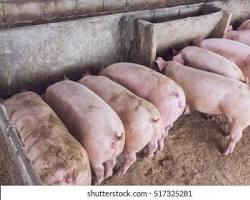
From Hoof to Hock: How Lean Hogs Become Pork Bellies:
The journey from a live lean hog to the delectable pork belly involves a multi-stage processing procedure:
- Slaughter and Dressing: The hog is humanely slaughtered, and the carcass is dressed, which involves removing the hair, internal organs, and head.
- Carcass Breakdown: The dressed carcass is then divided into primal cuts, which are large sections of the carcass. These primal cuts include the loin, shoulder, leg (ham), and the belly.
- Belly Removal: The pork belly is the ventral (underside) part of the hog, running from the ribs to the hind legs. It is carefully separated from the rest of the carcass.
- Trimming: The removed pork belly is then trimmed to remove excess skin, nipples, and any irregularly shaped edges to create a more uniform rectangular shape.
- Further Processing (Optional): The trimmed pork belly can be sold fresh or further processed. For bacon production, the belly is typically cured with salt, nitrates, and flavorings, and then smoked. It can also be used to produce pancetta or other specialty pork products.
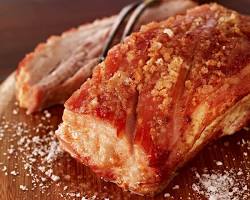
The pork belly is prized for its high fat content interspersed with layers of lean meat. This unique composition is what gives bacon its characteristic crispy and chewy texture and rich flavor.
The Balancing Act: The Ratio in Lean Hogs and Pork Bellies:
The “ratio” often discussed in the context of lean hogs and pork bellies refers to the relative value and price movements of these two commodities. While there isn’t a fixed or universally defined ratio, traders and analysts closely monitor the price spread between lean hog futures and pork belly futures contracts.
Several factors influence this relationship:
- Demand for Pork Bellies: Strong consumer demand for bacon and other pork belly products can drive up the price of pork bellies relative to lean hogs.
- Supply of Lean Hogs: An oversupply of lean hogs can put downward pressure on hog prices, potentially widening the spread if pork belly demand remains strong.
- Processing Capacity: The capacity of packing plants to process hogs and produce pork bellies can also affect the ratio. Bottlenecks in processing can lead to price discrepancies.
- Storage Costs: Pork bellies can be stored frozen, but there are costs associated with storage. These costs can influence the price relationship between fresh hogs and frozen bellies.
- Seasonal Factors: Demand for bacon often peaks during certain times of the year, such as summer grilling season or holidays, which can temporarily affect the ratio.
Monitoring this price spread can provide insights into market dynamics and potential trading opportunities for those involved in the hog and pork belly markets.
Threats to the Herd: Illnesses Affecting Lean Hogs:
Lean hog populations are susceptible to various diseases that can have significant economic consequences for producers:
- Porcine Reproductive and Respiratory Syndrome (PRRS): This highly contagious viral disease causes reproductive failure in sows and respiratory illness in piglets and growing pigs, leading to significant production losses.
- African Swine Fever (ASF): A deadly viral disease that affects domestic and wild pigs. There is no vaccine or cure, and outbreaks can lead to the culling of entire herds, causing devastating economic impacts and trade disruptions.
- Classical Swine Fever (CSF) (Hog Cholera): Another highly contagious viral disease with high mortality rates in pigs. Strict control and eradication measures are typically implemented in case of outbreaks.
- Swine Influenza (Flu): Similar to human influenza, various strains of swine flu can cause respiratory illness in pigs, leading to reduced growth rates and potential secondary infections.
- Porcine Epidemic Diarrhea (PED): A coronavirus that causes severe diarrhea and vomiting in pigs, particularly affecting young piglets and leading to high mortality rates in nursing pigs.
- Mycoplasmal Pneumonia: A chronic respiratory disease caused by bacteria, leading to reduced growth efficiency and increased susceptibility to other respiratory infections.
Preventing and controlling these diseases relies on strict biosecurity measures, vaccination programs where available, early detection, and prompt veterinary intervention.
The Commodity Crown: Why Pork Belly Reigns Supreme (in Commodity Markets):
While other cuts of pork are certainly valuable and widely traded, pork belly holds a unique position as a readily traded commodity on futures exchanges. Several factors contribute to this:
- Homogeneity and Standardization: Pork bellies can be relatively easily standardized based on weight and thickness, making them suitable for futures contracts.
- Storability: Pork bellies can be frozen and stored for extended periods without significant loss of quality, facilitating trading and hedging.
- Significant Value and Demand: Bacon, derived from pork belly, is a highly popular and consistently in-demand product, creating a strong underlying market for pork bellies.
- Price Volatility: The price of pork bellies can be quite volatile due to factors like seasonal demand, storage levels, and processing capacity, making it an attractive instrument for hedging and speculation.
While other pork cuts like hams and loins are also traded, they often lack the same degree of standardization and storability as pork bellies, making them less ideal for active futures trading. Pork belly futures serve as a key indicator of the overall health and sentiment of the pork market.
A Nutritional Showdown: Pork Versus Other Meats:
Pork offers a diverse range of nutritional profiles depending on the specific cut. When compared to other meats like beef, chicken, and lamb, pork holds its own in terms of providing essential nutrients:
- Protein: Pork is an excellent source of high-quality, complete protein, containing all nine essential amino acids needed for building and repairing tissues. The protein content is generally comparable to that of beef and chicken, although it can vary slightly between different cuts.
- Fat: The fat content in pork varies significantly depending on the cut. Cuts like tenderloin are very lean, while others like pork belly are high in fat. Compared to beef, pork often has a wider range of fat content options. Chicken breast is generally lower in fat than most cuts of pork, while chicken thighs can have a comparable fat content. Lamb tends to have a higher fat content overall compared to most cuts of pork.
- Vitamins and Minerals: Pork is a rich source of several essential vitamins and minerals, including:
- B Vitamins: Particularly thiamin (B1), niacin (B3), riboflavin (B2), vitamin B6, and vitamin B12, which play crucial roles in energy metabolism, nerve function, and red blood cell formation. Pork is one of the best dietary sources of thiamin.
- Phosphorus: Important for bone health and energy production.
- Selenium: An antioxidant that supports thyroid function.
- Zinc: Essential for immune function and wound healing.
- Iron: While not as high in iron as beef, pork still contributes to iron intake, which is vital for oxygen transport.
- Cholesterol: Like all animal products, pork contains cholesterol. The amount varies depending on the cut, with leaner cuts having less cholesterol.
Here’s a general comparison:
- Lean Pork (e.g., Tenderloin): Comparable in protein to lean beef and chicken breast, generally lower in saturated fat than many cuts of beef, and a good source of B vitamins and phosphorus.
- Fatty Pork (e.g., Pork Belly): High in fat and calories, similar to fattier cuts of beef and chicken thighs. Rich in B vitamins but should be consumed in moderation as part of a balanced diet.
Ultimately, the nutritional value of any meat depends on the specific cut and how it is prepared. Choosing leaner cuts of pork and employing healthy cooking methods can maximize its nutritional benefits.
Economic Tides: Fluctuating Pork Prices in the Global Market:
The price of pork is subject to significant fluctuations in the global market, with profound economic implications for both producers and consumers:
For Producers:
- Profitability: Rising hog and pork prices can significantly boost producer profitability, allowing for reinvestment in their operations and improved financial stability. Conversely, price drops can lead to losses, forcing some producers out of business.
- Investment Decisions: Price signals influence producers’ decisions regarding herd size, breeding plans, and infrastructure investments. High prices may incentivize expansion, while low prices may lead to contraction.
- Risk Management: Price volatility necessitates the use of risk management tools like futures contracts and hedging strategies to protect against potential losses.
- Input Costs: Changes in the cost of feed (primarily corn and soybeans), energy, and labor can significantly impact producer profitability regardless of pork prices.
For Consumers:
- Food Budgets: Fluctuations in pork prices directly affect consumers’ grocery bills. Price increases can strain household budgets, particularly for lower-income families.
- Dietary Choices: Significant price differences between pork and other protein sources can influence consumers’ dietary choices, leading to substitution effects.
- Inflation: Rising pork prices can contribute to overall food price inflation, impacting the broader economy.
Global Trade Dynamics:
The global pork market is characterized by significant trade flows between exporting and importing countries:
- Major Exporters: The European Union (particularly Spain, Germany, and Denmark), the United States, Canada, and Brazil are among the world’s largest pork exporters. These countries have well-established production and processing infrastructure and often benefit from economies of scale.
- Major Importers: China is by far the world’s largest pork importer, driven by its massive population and high pork consumption. Other significant importers include Japan, Mexico, South Korea, and various countries in Southeast Asia.
Trade flows are influenced by factors such as domestic production levels, consumer demand, trade agreements, tariffs, and disease outbreaks. For example, outbreaks of African Swine Fever in major consuming countries like China have dramatically increased their import demand.
A Look Back: The History of the Pork and Hog Market:
The domestication of pigs dates back thousands of years, and pork has been a staple food in many cultures for centuries. Organized hog markets and the development of pork processing industries emerged in the 19th and 20th centuries, particularly in the United States and Europe.
- Early Markets: Initially, hog trading was localized, with farmers bringing their animals to regional markets.
- Rise of Packinghouses: The growth of urban centers and advancements in transportation and refrigeration led to the development of large-scale packinghouses, such as those in Chicago, which became central hubs for the pork industry.
- Standardization and Grading: The need for consistent quality led to the development of standardized grading systems for hogs and pork products.
- Futures Trading: Lean hog futures contracts were introduced on commodity exchanges in the mid-20th century, providing a mechanism for price discovery and risk management. Pork belly futures followed, reflecting the importance of this specific cut.
- Globalization: Over time, the pork market has become increasingly globalized, with significant international trade and interconnected price dynamics.
Protein and Fat Content: The Building Blocks of Pork:
As mentioned earlier, pork is a valuable source of protein and contains varying amounts of fat depending on the cut:
- Protein: On average, a 3-ounce (85-gram) serving of cooked pork provides around 22-26 grams of high-quality protein. This contributes significantly to daily protein requirements.
- Fat: The fat content can range from as low as 3 grams per 3-ounce serving in lean cuts like pork tenderloin to over 20 grams in fattier cuts like bacon. The type of fat also varies, with a mix of saturated, monounsaturated, and polyunsaturated fatty acids.
Industrial Symbiosis: Raw Materials for Other Sectors:
Both lean hogs and pork bellies serve as crucial raw materials for various other industries:
- Food Processing: The most obvious industry. Lean hogs are processed into a wide array of pork products, including sausages, hams, roasts, and ground pork. Pork bellies are primarily used for bacon and pancetta production.
- Pet Food: Pork byproducts and less desirable cuts are often used as ingredients in pet food formulations, providing a source of protein and fat for animal companions.
- Pharmaceuticals: Certain enzymes and other biological materials derived from pigs are used in the production of pharmaceutical products. For instance, heparin, an anticoagulant, is extracted from pig intestines.
- Cosmetics and Personal Care: Animal fats, including those from pigs, can be used in the production of some soaps, lotions, and other cosmetic products. However, plant-based alternatives are increasingly common.
- Leather Goods: Pigskin leather is used to produce gloves, shoes, and other leather goods, known for its durability and softness.
- Gelatin and Collagen: These proteins, derived from pig skin and bones, are used in the food industry (e.g., gelatin desserts, gummy candies), pharmaceutical capsules, and cosmetic products.
Global Palates: Top Pork-Consuming Countries:
Pork consumption patterns vary significantly across the globe due to cultural, religious, and economic factors. The countries with the highest per capita pork consumption often include:
- European Countries: Denmark, Spain, Germany, Austria, and Poland consistently rank high in per capita pork consumption. Pork is a deeply ingrained part of their culinary traditions.
- East Asian Countries: While overall meat consumption in China is dominated by poultry, its sheer population size makes it the largest consumer of pork in terms of total volume. South Korea and Vietnam also have significant pork consumption.
- Other Regions: Certain countries in Southeast Asia and parts of Africa also have notable pork consumption.
It’s important to note that per capita consumption can be different from total consumption. While a smaller country might have a high per capita rate, a larger country with a slightly lower rate might consume a much larger overall volume.
A Matter of Faith: Why Islam Forbids Pork:
The prohibition of pork in Islam is explicitly stated in the Quran, the holy book of Islam. Several verses mention the forbidden nature of pork, often alongside other impure or harmful things.
The primary reasons cited in Islamic teachings for this prohibition include:
- Religious Decree: Muslims believe that God (Allah) has explicitly forbidden the consumption of pork in the Quran, and as such, it is an act of obedience to adhere to this divine command.
- Impurity (Najasa): Pigs are considered ritually impure (najasa) in Islam. This impurity extends to their meat and all byproducts.
- Potential Health Concerns: While not the primary reason, some Islamic scholars have historically cited potential health concerns associated with pork consumption, although modern scientific understanding of these concerns varies.
This prohibition is a fundamental aspect of Islamic dietary law and is observed by Muslims worldwide.
Current Market Pulse: Trends and Price Fluctuations:
The lean hog and pork belly markets are constantly evolving, influenced by a complex interplay of factors:
- Feed Costs: The price of corn and soybeans, the primary components of hog feed, has a significant impact on the cost of production and therefore on lean hog prices. Weather patterns, global demand for grains, and government policies can all affect feed costs.
- Global Demand: Changes in demand for pork in major consuming countries, particularly China, have a substantial influence on global prices. Factors like economic growth, consumer preferences, and disease outbreaks can drive demand.
- Supply Levels: The number of hogs being raised and the overall supply of pork in the market are crucial determinants of price. Factors like breeding cycles, disease prevalence, and producer decisions affect supply.
- Trade Policies: Tariffs, trade agreements, and import/export restrictions can significantly impact the flow of pork between countries and influence prices in both exporting and importing markets.
- Disease Outbreaks: Major animal disease outbreaks, such as African Swine Fever, can decimate hog populations, disrupt supply chains, and cause significant price volatility.
- Consumer Preferences: Shifting consumer preferences regarding meat consumption, animal welfare, and environmental concerns can indirectly influence the demand for pork and the way it is produced.
- Seasonal Factors: Demand for certain pork products, like bacon during breakfast hours or grilling season, can lead to seasonal price fluctuations.
- Inflation and Economic Conditions: Overall economic conditions and inflation rates can affect consumer spending on food, including pork.
Currently, the market is often reacting to factors such as feed price volatility, ongoing concerns about animal diseases, and shifts in global trade dynamics. Prices for both lean hogs and pork bellies can experience significant swings in response to these factors. Staying informed about these market drivers is crucial for producers, processors, and traders.
Environmental Footprint: Pork Production Across Borders:
The environmental impacts of pork production vary considerably depending on factors such as farming practices, geographic location, and regulatory frameworks:
- Greenhouse Gas Emissions: Pork production contributes to greenhouse gas emissions through various pathways, including methane emissions from enteric fermentation (digestion) and manure management, nitrous oxide emissions from fertilizer use for feed production and manure management, and carbon dioxide emissions from energy consumption in farm operations and transportation. The intensity of these emissions can differ based on the efficiency of production systems and manure management techniques.
- Land Use: Feed production requires significant land, which can contribute to deforestation and habitat loss, particularly if unsustainable agricultural practices are employed. The land footprint of pork production can vary depending on the efficiency of feed conversion and the source of feed ingredients.
- Water Use and Pollution: Pork production requires substantial amounts of water for animal drinking, sanitation, and feed production. Manure runoff can contaminate surface and groundwater with nutrients and pathogens, leading to water quality issues. The effectiveness of manure management systems greatly influences water pollution potential.
- Biodiversity Impacts: Land conversion for feed production and habitat degradation associated with intensive farming can negatively impact biodiversity.
- Manure Management: Managing the large volumes of manure produced in pork operations is a significant environmental challenge. Improper storage and disposal can lead to air and water pollution. Sustainable manure management practices, such as biogas production or use as fertilizer, can mitigate these impacts.
Countries with stricter environmental regulations and a greater adoption of sustainable farming practices generally have a lower environmental footprint per unit of pork produced compared to countries with less stringent regulations and more conventional farming methods. Factors like climate, soil types, and the specific feed production systems used also contribute to these differences.
Health Perks: Specific Benefits of Consuming Pork:
Beyond being a good source of overall nutrition, pork offers some specific health benefits:
- Excellent Source of Thiamin: Pork is exceptionally rich in thiamin (vitamin B1), which is crucial for energy metabolism and nerve function. Many other common protein sources do not provide thiamin in such high amounts.
- High in Vitamin B12: Pork is a good source of vitamin B12, which is essential for red blood cell formation, nerve function, and DNA synthesis. This is particularly important for individuals who may not get enough B12 from plant-based sources.
- Provides Dietary Creatine: Pork contains creatine, a naturally occurring compound that plays a role in muscle energy production. Creatine is popular as a supplement for athletes and may have other health benefits.
- Source of Conjugated Linoleic Acid (CLA): Pork, particularly from pasture-raised pigs, can contain conjugated linoleic acid (CLA), a type of fatty acid that has been associated with potential health benefits in some studies.
- Contributes to Satiety: The high protein content of pork can help promote feelings of fullness and satiety, which can be beneficial for weight management.
It’s important to note that these benefits are best realized by choosing leaner cuts of pork and preparing them in healthy ways, while consuming fatty cuts in moderation as part of a balanced diet.
Navigating the Hurdles: Main Challenges Facing the Pork Industry Today:
The pork industry faces a complex array of challenges in the 21st century:
- Animal Diseases: The constant threat of devastating diseases like African Swine Fever and Porcine Reproductive and Respiratory Syndrome poses a major risk to production and trade.
- Environmental Sustainability: Addressing concerns about greenhouse gas emissions, manure management, water pollution, and land use associated with pork production is crucial for the long-term viability of the industry.
- Animal Welfare Concerns: Increasing public awareness and demand for higher animal welfare standards put pressure on producers to adopt more welfare-friendly housing and management practices.
- Feed Costs: Volatile feed prices can significantly impact producer profitability and create economic uncertainty.
- Labor Shortages: Many regions face challenges in attracting and retaining labor in the agricultural and meat processing sectors.
- Regulatory Compliance: The industry is subject to a complex web of regulations related to food safety, animal health, and environmental protection, which can be costly and challenging to navigate.
- Consumer Perceptions: Misinformation and negative perceptions about the health impacts and sustainability of pork production can affect consumer demand.
- Market Volatility: Price swings in the global pork market can create financial risks for producers and processors.
- Trade Disputes: International trade disputes and tariffs can disrupt established trade flows and create market uncertainty.
- Antibiotic Resistance: The use of antibiotics in livestock production is under increasing scrutiny due to concerns about contributing to antibiotic resistance in humans.
Addressing these challenges requires innovation, collaboration across the industry, and engagement with consumers and policymakers.
Cooking Transformations: How Methods Affect Nutritional Content:
Different cooking methods can impact the nutritional content of pork in various ways:
- Fat Content: Cooking methods that allow fat to drain away, such as grilling, broiling, and roasting on a rack, can reduce the overall fat content of the cooked pork. Conversely, methods that involve frying or cooking in added fat will increase the fat and calorie content.
- Vitamin Retention: Some B vitamins are water-soluble and can be lost during cooking, particularly in methods that involve boiling or stewing with a large amount of liquid. Steaming, grilling, and roasting tend to retain more B vitamins.
- Protein Structure: Heat denatures proteins, making them easier to digest. However, excessive heat can sometimes make proteins tougher or less palatable.
- Formation of Harmful Compounds: High-heat cooking methods, such as grilling or frying at very high temperatures, can potentially lead to the formation of heterocyclic amines (HCAs) and polycyclic aromatic hydrocarbons (PAHs), which are compounds that have been linked to an increased risk of certain cancers. Marinating meat before grilling and avoiding charring can help reduce the formation of these compounds.
- Mineral Content: Mineral content is generally less affected by cooking methods.
Choosing healthier cooking methods like baking, broiling, grilling (with care), and stir-frying with minimal added fat can help preserve the nutritional benefits of pork while minimizing potential downsides.
Greener Pastures: Sustainable Practices in Pork Production:
The pork industry is increasingly adopting sustainable practices to reduce its environmental impact:
- Improved Feed Efficiency: Optimizing feed formulations and animal management to reduce the amount of feed needed to produce a unit of pork.
- Precision Feeding: Providing animals with feed that precisely meets their nutritional requirements at different life stages, minimizing waste.
- Manure Management Technologies: Implementing anaerobic digesters to capture methane from manure for energy production, using manure as fertilizer in a sustainable way, and developing technologies to reduce nutrient runoff.
- Reduced Water Usage: Implementing water-saving technologies in farm operations and optimizing water management for feed production.
- Improved Animal Welfare: Adopting housing systems that provide more space, enrich the environment, and allow for natural behaviors, which can also positively impact animal health and reduce the need for interventions.
- Sustainable Sourcing of Feed Ingredients: Choosing feed ingredients that are produced sustainably and with minimal environmental impact.
- Reduced Antibiotic Use: Implementing management practices that promote animal health and reduce the need for antibiotics, and using antibiotics responsibly under veterinary guidance.
- Carbon Sequestration Practices: In some cases, integrating farming practices that can help sequester carbon in the soil.
The adoption of these practices varies depending on regional regulations, consumer demand, and economic feasibility.
Global Appetite: Pork Consumption Statistics:
Pork is one of the most widely consumed meats globally, but its consumption lags behind poultry in many regions:
- Global Meat Consumption: Globally, poultry is the most consumed meat, followed by pork, then beef and veal.
- Pork’s Share: Pork accounts for a significant share of global meat consumption, estimated to be around 30-40% in recent years, although this varies by region.
- Regional Differences: As mentioned earlier, pork consumption is particularly high in Europe and parts of Asia. In contrast, consumption is very low or non-existent in regions with large Muslim or Jewish populations due to religious dietary laws. Beef consumption tends to be higher in North and South America. Poultry consumption has been steadily increasing globally due to its affordability and perceived health benefits.
Accurate and up-to-date global consumption statistics can be obtained from organizations like the USDA, the Food and Agriculture Organization of the United Nations (FAO), and various market research firms. These statistics often break down consumption by region and meat type.
Cultural Carvings: Influence of Culture on Pork Consumption:
Cultural practices play a profound role in shaping pork consumption patterns around the world:
- Religious Beliefs: As discussed, religious dietary laws in Islam and Judaism strictly prohibit the consumption of pork, significantly impacting consumption in regions with large populations adhering to these faiths.
- Culinary Traditions: Pork is a central ingredient in the traditional cuisines of many cultures. From German sausages and Spanish ham to Chinese sweet and sour pork and Filipino lechon, pork dishes are deeply embedded in cultural identity and culinary heritage.
- Festivals and Celebrations: Pork often plays a significant role in traditional festivals and celebrations in various cultures. For example, roast pig is a common dish at festive gatherings in many parts of the world.
- Economic Factors: The affordability and availability of pork can also influence consumption patterns. In some regions, pork may be a more accessible and affordable protein source compared to beef or lamb.
- Social Norms and Preferences: Cultural norms and established food preferences can strongly influence what people choose to eat. In some cultures, there may be a long-standing preference for pork due to its taste, texture, or historical availability.
- Environmental and Ethical Considerations: Growing awareness of environmental and animal welfare issues can also indirectly influence pork consumption in some cultures, leading to a preference for sustainably raised or alternative protein sources.
These cultural factors create a diverse and complex global landscape of pork consumption.
Tomorrow’s Trough: Future Innovations for Sustainable Pork Production:
The pork industry is actively exploring various innovations to enhance sustainability:
- Alternative Feed Ingredients: Research into and adoption of alternative feed ingredients, such as insect protein, algae, and byproducts from other industries, to reduce reliance on traditional feed crops and their environmental footprint.
- Precision Livestock Farming: Utilizing technologies like sensors, data analytics, and automation to monitor animal health, welfare, and feed intake, allowing for more efficient resource use and targeted interventions.
- Improved Manure Management Technologies: Developing and implementing advanced technologies for manure treatment, nutrient recovery, and biogas production to minimize pollution and create value from manure.
- Breeding for Sustainability: Selecting and breeding pigs with improved feed efficiency, disease resistance, and lower environmental impact.
- Alternative Housing Systems: Designing and implementing housing systems that enhance animal welfare and reduce environmental impact, such as pasture-based or enriched indoor systems.
- Carbon Footprint Reduction Strategies: Implementing practices across the supply chain to reduce greenhouse gas emissions, such as optimizing energy use, improving transportation efficiency, and promoting carbon sequestration in feed production.
- Circular Economy Approaches: Exploring ways to utilize all parts of the pig and minimize waste throughout the production and processing chain.
- Disease Prevention and Early Detection Technologies: Investing in research and technologies for rapid disease detection and prevention to minimize the need for antibiotic use and reduce animal losses.
- Plant-Based and Cell-Based Alternatives: While not direct innovations in pork production, the development of plant-based and cell-based pork alternatives is also influencing the market and driving innovation in the traditional sector.
These ongoing innovations hold the promise of a more sustainable and responsible future for the pork industry, addressing environmental concerns, improving animal welfare, and ensuring a continued supply of this important protein source for a growing global population.
In conclusion, the world of lean hogs and pork bellies is a fascinating intersection of agriculture, economics, culture, and culinary tradition. From the intricacies of hog farming to the dynamics of global commodity markets, and from the health benefits of pork to the challenges of sustainable production, understanding this industry provides valuable insights into the complex systems that feed our planet. The “belly of the beast,” in this context, is not just a prized cut of meat, but a symbol of a vast and vital industry that continues to evolve in response to changing consumer demands, environmental pressures, and technological advancements.