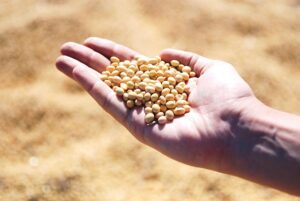
Soybeans, often referred to as the “golden bean,” are a powerhouse of nutrition and versatility, shaping global agriculture, food industries, and even geopolitical landscapes. From their ancient origins in East Asia to their prominent role in modern diets and livestock feed, soybeans have become an indispensable commodity. This blog post will explore the fascinating journey of soybeans, delving into their history, cultivation, global trade dynamics, and the factors that influence their ever-fluctuating price.
A Legacy Spanning Millennia: The History of Soybean Farming
The story of soybean farming is deeply rooted in the history of East Asia, particularly China. Archaeological evidence suggests that soybeans were first domesticated in China as early as 3500 BC, with some research indicating even earlier seeding of wild forms across multiple East Asian locations before 5000 BC. By the Zhou dynasty (c. 1046–256 BC), soybeans were already a crucial crop, recognized for their nutritional value and medicinal properties. Ancient texts, such as Emperor Sheng-Nung’s “Materia Medica” from 2838 BC, document the early cultivation and importance of this miraculous bean.
From China, soybean cultivation gradually spread to neighboring countries like Japan, Korea, and other parts of Southeast Asia, often facilitated by developing land and sea trade routes. By the first century AD, soybeans were established in these regions, becoming a staple in local diets and agricultural practices.
The introduction of soybeans to the Western world was much later. European awareness of soybeans began in the 18th century, with German botanist Englebert Kaempfer bringing knowledge from Japan in 1712. However, early attempts to cultivate them in Europe were often limited by unsuitable climate and soil conditions.
In North America, soybeans made their appearance in the mid-18th century, possibly introduced to the American colonies in 1765 as “Chinese vetches.” Early mentions in American literature date back to 1804. Initially, soybeans were cultivated on a small scale, often for forage or as a curiosity. A significant turning point came in the 19th century when American chemist George Washington Carver, in the early 1900s, recognized soybeans as a valuable source of protein and oil. His advocacy for crop rotation, including soybeans, helped revitalize depleted soils in the American South.
However, it wasn’t until the 1940s that soybean farming truly took off in the United States. World War II significantly disrupted traditional trade routes, creating a massive demand for edible fats, oils, and protein. With China, then a major supplier, facing internal revolution and war, the U.S. stepped up to fill the void. The post-war era saw a boom in meat consumption, further driving the demand for soybean meal as an affordable and high-quality protein source for livestock. From the 1950s to the 1970s, the U.S. dominated global soybean production, accounting for over 75% of the world’s crop.
The 1970s marked another crucial shift, with a worldwide shortage of feed protein prompting the initiation of large-scale soybean production in South American countries, notably Argentina and Brazil. Technological advancements in the 1990s, particularly the development of herbicide-resistant varieties, revolutionized soybean farming, allowing for more efficient weed control, reduced soil erosion, and increased yields. Today, soybean cultivation is a global enterprise, underpinned by centuries of agricultural innovation and evolving demand.
The Foundation for Growth: Soil Requirements for Soybeans
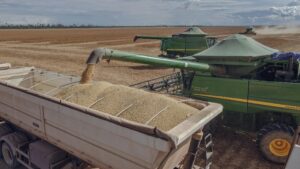
Soybeans, like any crop, thrive under specific soil conditions. While they are adaptable, achieving optimal yields requires careful attention to soil type, pH, and nutrient availability.
- Soil Type: Soybeans prefer well-drained, fertile loamy soils. These soils offer a good balance of clay, silt, and sand, providing adequate aeration and water retention. While well-drained conditions are crucial to prevent root diseases, excessively sandy or gravelly soils are generally not recommended as they tend to dry out quickly, making the crop susceptible to drought stress, especially during critical growth stages like August in the Northern Hemisphere. Waterlogged, saline, or alkaline soils are generally unsuitable for soybean cultivation, as they can inhibit germination and overall plant health.
- Soil pH: The optimal pH range for maximizing soybean yields in mineral soils is generally between 6.0 and 6.8. Some sources suggest a slightly wider range of 6.0 to 7.5. Maintaining the correct pH is vital because it directly influences the availability of essential nutrients to the plant. In highly acidic soils (below pH 4.5), nutrients like nitrogen, phosphorus, potassium, sulfur, calcium, and magnesium can become less available, and aluminum and manganese toxicity can be problematic. Conversely, in highly alkaline soils (above pH 7.5), micronutrient deficiencies, particularly iron (leading to iron chlorosis) and zinc, can occur.
- Nutrient Requirements: Soybeans require 14 mineral nutrients for successful growth. The most critical macronutrients are nitrogen (N), phosphorus (P), and potassium (K).
- Nitrogen (N): Soybeans are legumes and have a symbiotic relationship with Bradyrhizobium bacteria, which form nodules on their roots and fix atmospheric nitrogen, converting it into a usable form for the plant. This means soybeans typically require minimal or no supplemental nitrogen fertilizer if inoculation is effective and soil conditions are optimal.
- Phosphorus (P) and Potassium (K): Soybeans are heavy users of P and K, and these nutrients are removed with the harvested grain. Soil testing is essential to determine the appropriate application rates for these elements. Phosphorus applications are generally consistent in soils testing very low or low. Potassium should be applied based on soil test levels, either as a banded starter or broadcast. It’s crucial not to place potassium fertilizer in direct contact with the seed to avoid salt injury.
- Other Nutrients: Sulfur (S), Calcium (Ca), Magnesium (Mg), Copper (Cu), Iron (Fe), Manganese (Mn), Zinc (Zn), Boron (B), Chloride (Cl), and Molybdenum (Mo) are also necessary. Most soils can provide adequate amounts of minor nutrients, but deficiencies in specific regions may require targeted applications. Iron deficiency chlorosis, for instance, can be a major limitation in some areas with high soil pH.
In essence, a well-drained, neutral to slightly acidic loamy soil with balanced nutrient levels provides the ideal foundation for robust soybean growth and high yields.
Giants of the Field: Leading Soybean Producing Countries
The global soybean production landscape is dominated by a few key players, reflecting favorable climate, vast arable land, and advanced agricultural practices.
As of recent data (2024-2025 projections and 2022 actuals):
- Brazil: Brazil has firmly established itself as the world’s largest producer of soybeans. Its immense land area, suitable climate, and continuous investments in agricultural technology have propelled its output. States like Mato Grosso, Paraná, Goiás, and Rio Grande do Sul are major hubs of production.
- United States: Historically the leading producer, the United States remains a powerhouse in soybean cultivation, ranking as the second-largest. The “Corn Belt” states in the Midwest, including Illinois, Iowa, Indiana, Minnesota, and Ohio, account for the vast majority of U.S. soybean production.
- Argentina: Coming in third, Argentina is another significant producer in South America. Its fertile Pampas region is ideal for soybean cultivation, although production can be more susceptible to weather fluctuations and economic challenges.
- China: Despite being the birthplace of soybeans, China’s domestic production, while substantial, cannot keep pace with its immense and growing demand. Heilongjiang is a major producing province.
- India: India’s soybean production has been steadily rising, making it a significant player, particularly for meeting its domestic food and feed industry needs. Madhya Pradesh and Maharashtra are key producing states.
Other notable producers include Paraguay, Canada, Russia, Ukraine, and Bolivia, each contributing to the global supply of this versatile crop.
The Flow of the Golden Bean: Soybean Export and Import Dynamics
The global soybean trade is a massive and intricate network, driven by the varying production capacities and consumption demands across different regions.
Major Soybean Exporting Countries:
The primary exporters are typically the leading producers with a surplus beyond their domestic needs.
- Brazil: Brazil is by far the largest soybean exporter in the world. Its vast production, coupled with efficient port infrastructure and logistics, enables it to supply major markets across the globe, primarily in Southeast Asia (especially China) and the European Union.
- United States: The U.S. is the second-largest exporter, leveraging its large production and extensive transportation networks to ship soybeans to various international buyers.
- Paraguay: A significant South American producer, Paraguay consistently ranks among the top exporters, with a substantial portion of its crop destined for foreign markets.
- Canada: Canada’s soybean exports have been growing, specializing in high-quality, often non-GMO, soybeans for markets in Asia and Europe.
- Ukraine: Despite recent geopolitical challenges, Ukraine remains a notable exporter of soybeans, primarily to European and Asian markets.
- Argentina: While a major producer, Argentina primarily exports processed soybean products (soybean meal and oil) rather than raw soybeans, due to its robust crushing industry. Its raw soybean exports are comparatively smaller.
Major Soybean Importing Countries:
Demand for soybeans is driven by livestock feed industries (for protein-rich meal), food processing (for oil and various soy products), and sometimes direct human consumption.
- China: China is, by an overwhelming margin, the world’s largest importer of soybeans. Its massive livestock industry (pigs, poultry, aquaculture) relies heavily on soybean meal for feed, and its growing population consumes significant amounts of soybean oil and other soy-based foods. Domestic production falls far short of this demand, making China the biggest destination for soybeans from Brazil, the U.S., and Argentina.
- European Union (EU): The EU collectively is a major importer of soybeans and processed soybean meal, primarily for its livestock sector. Countries like Spain, Germany, the Netherlands, and Italy are significant destinations. The EU also has a demand for non-GMO soybeans for food applications.
- Mexico: Mexico imports substantial quantities of soybeans for its feed industry.
- Japan: Japan is a consistent importer of soybeans for both food (tofu, soy sauce, miso) and feed.
- Egypt: Egypt is a significant importer, primarily for its food and feed industries.
- Southeast Asian Nations: Countries like Vietnam, Indonesia, Thailand, and Malaysia are growing importers as their populations and livestock industries expand.
The import-export relationship highlights the global interconnectedness of food systems, with a few large producing nations feeding the demand of many consuming nations.
The Marketplace for Soy: Where Soybeans Are Traded
Soybeans are a globally traded commodity, and their prices are discovered and influenced on major futures exchanges. These platforms allow producers, processors, and investors to manage risk and speculate on future price movements.
The primary commodity exchange for soybean futures and options is:
- Chicago Board of Trade (CBOT): Now part of the CME Group, CBOT is the world’s leading exchange for agricultural futures, including soybeans (symbol ZS). The CBOT soybean futures contract is highly liquid and widely used as a global benchmark. It sets the price for physical soybeans traded worldwide.
Other regional exchanges may also list soybean contracts or related products, but CBOT remains the dominant player. Trading on these exchanges occurs almost continuously during trading hours, with prices reacting to news, weather, supply and demand reports, and geopolitical developments.
A History of Trade and Its Scale
The history of soybean trade mirrors its cultivation expansion. For centuries, trade was localized within East Asia. The rise of significant international trade began in the 20th century, particularly after World War II, driven by the U.S. becoming a major producer and exporter. The development of efficient shipping and logistics made large-scale intercontinental trade feasible.
The scale of the global soybean trade is immense. In 2023, the global soybean trade value was approximately $92.9 billion. In terms of volume, hundreds of millions of metric tons of soybeans are traded internationally each year. For instance, in 2024, an estimated 735.4 million kg of soybeans were traded globally. The sheer volume and value underscore soybeans’ critical role in the global food and feed supply chain. One bushel of soybean weighs about 60 pounds (approximately 27.2 kg), yielding roughly 11 pounds (5 kg) of oil and 48 pounds (21.7 kg) of meal, demonstrating its dual utility.
Geopolitics and the Soybean Trade: A Complex Interplay
The soybean trade is highly susceptible to geopolitical forces, as evidenced by several significant events in recent history. Its concentration among a few major producers and one dominant importer (China) makes it particularly vulnerable to diplomatic tensions, trade policies, and international relations.
- The U.S.-China Trade War (2018-2020): This period vividly illustrated the impact of geopolitics. When the U.S. imposed tariffs on Chinese goods, China retaliated with tariffs on various American agricultural products, most notably soybeans. This immediately disrupted long-standing trade flows. China, the largest buyer of U.S. soybeans, shifted its purchases to Brazil and Argentina. This caused a surge in demand for South American soybeans and a significant drop in prices and demand for U.S. soybeans, forcing American farmers to seek government aid. The trade war highlighted how tariffs and political disputes can re-route global commodity flows and inflict economic pain on agricultural sectors.
- Brazil’s Growing Dominance and Infrastructure: Brazil’s ascendancy as the top soybean producer and exporter has geopolitical implications. Its continued investment in infrastructure (ports, railways) and expansion of agricultural land are strategic moves that reduce global reliance on a single major supplier (the U.S.) but also raise environmental concerns regarding deforestation, particularly in the Amazon and Cerrado regions.
- Climate Change and Food Security: Geopolitical discussions around climate change directly impact soybean trade. As countries commit to reducing carbon footprints, there’s pressure to reduce the environmental impact of agriculture. This can lead to policies affecting land use, sustainable farming practices, and even trade preferences for sustainably produced soybeans. Extreme weather events, intensified by climate change, can also cause crop failures or gluts, leading to price volatility and potential food security concerns, which then become geopolitical issues.
- Biofuel Policies: Government policies promoting or restricting the use of biofuels (like biodiesel from soybean oil) can significantly impact demand for soybeans and, consequently, their trade. These policies are often tied to energy security and environmental goals.
- Supply Chain Resiliency: Global events like pandemics (e.g., COVID-19) or regional conflicts (e.g., in the Black Sea region affecting grain trade) underscore the fragility of global supply chains. Nations may seek to diversify their sources of critical commodities like soybeans to enhance food security and reduce geopolitical leverage by any single supplier. This can lead to new trade agreements or investments in domestic production.
In essence, geopolitical decisions, whether related to trade, environmental policy, or international relations, can have far-reaching consequences on the soybean market, affecting everything from prices and trade routes to agricultural practices and national food security.
Unpacking the Price: Factors Affecting Soybean Prices
Soybean prices are notoriously volatile, influenced by a complex web of factors that constantly shift supply and demand dynamics. Understanding these drivers is crucial for anyone involved in the soybean market.
- Supply-Side Factors:
- Weather in Key Growing Regions: This is perhaps the most significant short-term driver. Favorable weather conditions (adequate rainfall, optimal temperatures) in major producing countries (Brazil, U.S., Argentina) typically lead to strong yields and lower prices. Conversely, adverse weather like droughts, excessive rains, floods, or early frosts can severely impact crop yields, causing prices to surge. Weather in the U.S. Midwest and South America during their respective growing seasons (which are opposite due to hemispheres) is constantly monitored.
- Acreage Planted: The amount of land farmers dedicate to soybeans each year directly impacts potential supply. Farmers’ planting decisions are influenced by projected profitability relative to other crops (like corn), government policies, and input costs.
- Yield per Acre: Technological advancements, seed genetics, pest and disease management, and nutrient management all play a role in how many bushels are produced per acre. Higher yields increase supply.
- Global Stockpiles/Inventories: The amount of soybeans held in storage acts as a buffer against supply shocks. High carryover stocks (the amount left over from the previous harvest) typically exert downward pressure on prices, while low stocks can lead to price spikes during periods of high demand or supply concerns.
- Disease and Pests: Outbreaks of diseases (e.g., soybean rust) or widespread pest infestations can significantly reduce yields and quality, tightening supply.
- Logistics and Transportation: Issues with transportation infrastructure (e.g., river levels too low for barges in the U.S., port strikes in Brazil) can disrupt the movement of soybeans, creating temporary supply bottlenecks and impacting prices.
- Demand-Side Factors:
- China’s Demand: As the world’s largest importer, China’s demand for soybeans is paramount. Any changes in its economic growth, dietary preferences (e.g., increasing meat consumption), or livestock industry expansion directly impact global soybean demand and prices.
- Global Livestock Industry Health: The vast majority of soybean meal goes to animal feed. The health and growth of the global poultry, hog, and aquaculture industries directly influence demand for soybean meal, and thus for soybeans.
- Biofuel Production: Demand for soybean oil for biodiesel production can significantly influence overall soybean prices, especially if government mandates or incentives for biofuels are strong.
- Global Economic Growth: A robust global economy generally translates to higher demand for food and feed, supporting soybean prices. Economic slowdowns or recessions can reduce demand.
- Consumer Preferences: While a smaller factor, shifts in consumer preferences for plant-based proteins or non-GMO products can subtly influence specific segments of the soybean market.
- External and Speculative Factors:
- Currency Fluctuations: Since soybeans are primarily priced in U.S. dollars, fluctuations in exchange rates can affect their affordability for international buyers, influencing demand.
- Crude Oil Prices: Energy costs are a significant component of farming (fuel for machinery, fertilizers) and transportation. Higher crude oil prices can increase production and delivery costs, potentially supporting higher soybean prices.
- Speculative Trading: Large investment funds and individual traders participate in soybean futures markets, often based on their anticipation of future supply and demand. Their collective buying or selling can amplify price movements, sometimes detached from immediate fundamentals.
- Government Policies and Trade Agreements: Tariffs, trade deals, agricultural subsidies, and environmental regulations can all significantly impact trade flows and pricing.
The constant interplay of these factors creates a dynamic and often unpredictable market for soybeans, making it one of the most closely watched agricultural commodities globally.
Conclusion
From its ancient roots as a sacred grain in China to its modern status as a global commodity, the soybean’s journey is a testament to its remarkable versatility and enduring importance. It has fueled agricultural revolutions, transformed diets, and become a cornerstone of the global food and feed industry. The cultivation of soybeans requires specific soil conditions and a careful balance of nutrients, but its ability to thrive in diverse environments has allowed it to become a staple crop across continents.
The concentrated nature of soybean production and consumption among a few dominant players – with Brazil and the United States leading production and exports, and China driving import demand – makes the soybean trade inherently sensitive to geopolitical currents. As seen with trade wars and other international events, political decisions can swiftly re-route trade flows and impact the livelihoods of millions involved in the soybean value chain.
The price of this “golden bean” is a complex reflection of Mother Nature’s whims, the strategic decisions of farmers, the voracious appetite of the global livestock industry, and the intricate dance of international trade and geopolitics. As the world continues to navigate challenges related to food security, climate change, and sustainable agriculture, the soybean will undoubtedly remain at the forefront of global discussions, its future intertwined with the broader fate of our planet.