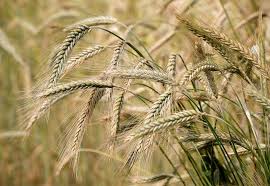
Barley (Hordeum vulgare) is one of the world’s most versatile and ancient cereal grains, ranking consistently as the fourth most produced grain globally after corn, rice, and wheat. While often overshadowed by its cousins in the bread-making world, barley is the silent backbone of two massive global industries: livestock production and the multibillion-dollar brewing and distilling sector.
As we navigate the market landscape of 2026, barley’s role as a commodity has evolved from a simple feed grain into a high-tech, climate-resilient asset favoured by ESG-conscious investors and health-focused food processors alike. This post explores the technical, economic, and nutritional facets of barley, providing a deep dive into why this “golden grain” remains a cornerstone of global trade.
1. The Agronomy of Barley: Atmosphere and Soil
Barley is renowned for its hardiness. It can be cultivated in environments where other grains would perish, ranging from the sub-arctic regions of Scandinavia to the high-altitude plateaus of the Himalayas and the arid plains of North Africa.
Atmospheric Requirements
Barley is primarily a cool-season crop. It thrives in temperate climates where temperatures during the growing season remain between 15°C and 20°C. However, its adaptability is its greatest strength:
-
Temperature Tolerance: While it prefers cool weather, modern varieties can withstand significant heat if moisture is available. Conversely, winter barley is exceptionally frost-hardy, surviving temperatures well below freezing during its dormant phase.
-
Moisture: It is more drought-tolerant than wheat. In regions like Western Australia or the Canadian Prairies, barley is often the crop of choice for dryland farming. However, consistent rainfall or irrigation is critical during the “boot” and “flowering” stages to ensure high grain weight.
Soil Profile
The “ideal” soil for barley is a well-drained, fertile loam or clay loam.
-
pH Levels: Barley prefers a neutral to slightly alkaline environment, with an optimal pH range between 6.0 and 8.5. It is notably more tolerant of soil salinity than wheat or corn, making it a “pioneer crop” for reclaiming saline lands.
-
Drainage: The crop’s “Achilles’ heel” is waterlogging. Barley roots require oxygen; poorly drained, heavy clay soils can cause root rot and significantly stunted growth.
2. The Production Process: From Seed to Silo
The cultivation of barley is a precise science, divided into three fundamental phases: Foundation, Construction, and Production.
Phase 1: Sowing and Germination (Foundation)
The process begins with seed selection based on the end-use (malting vs. feed). Seeds are typically sown at a depth of 2 to 3 inches (5–7.5 cm). Germination occurs when the radicle (primary root) emerges, followed by the coleoptile, which protects the first leaf as it pushes through the soil.
Phase 2: Tillering and Stem Elongation (Construction)
During the first 30–45 days, the plant produces “tillers”—secondary shoots that emerge from the base. This stage determines the potential “ear number” per square meter. As the stem elongates (jointing), the “boot” forms, protecting the developing head of the grain.
Phase 3: Flowering and Ripening (Production)
Unlike wheat, barley often begins pollination just before or during head emergence. This is the most sensitive time; heat stress here can lead to “blind” florets and lower yields. Once pollinated, the grain enters the “milk” and “dough” stages, accumulating starch until it reaches physiological maturity and the moisture content drops below 14%, signalling it is ready for harvest.
3. Varieties: Malting vs. Feed
Not all barley is created equal. The industry divides the crop into two main biological categories and two main industrial categories.
Biological Categories
-
Two-Row Barley: Has one kernel on each side of the central stem. These kernels are typically larger and more uniform, making them the gold standard for malting.
-
Six-Row Barley: Has three kernels on each side. These are smaller and higher in protein, often preferred for livestock feed or specific North American adjunct brewing.
Industrial Categories
| Category | Primary Goal | Key Characteristics |
| Malting Barley | Brewing/Distilling | Low protein (<12%), high germination rate, high enzyme activity. |
| Feed Barley | Livestock Nutrition | High protein, high starch, high energy content for weight gain. |
| Food/Hull-less | Human Consumption | High beta-glucan (fibre), often “naked” (hull falls off easily). |
4. Barley as a Commodity: Trading and Tickers
Barley is a highly liquid commodity traded on several global exchanges. Because it is often used as a substitute for corn or wheat in feed rations, its price is closely correlated with the broader grains complex.
Major Exchanges and Tickers
-
Euronext (Paris): The primary hub for European Malting Barley.
-
Ticker: MAL
-
-
NCDEX (India): A major exchange for the South Asian market.
-
Ticker: BARLEYJPR (Jaipur Barley)
-
-
ICE Futures Canada: Historically significant for Western Canadian feed barley.
-
Ticker: BB
-
-
ASX (Australia): While largely dominated by wheat, Australia’s barley basis is a critical indicator for Asian export prices.
Pricing Trends (2025–2026)
In early 2026, barley traded in a range of $4.50 to $6.50 per bushel. Prices spiked in mid-2025 due to tight supplies in the Black Sea region and strong Chinese demand.
5. The Global Powerhouse: Top Players
The geography of barley production has shifted slightly in 2026 due to climate and geopolitical factors.
The Biggest Producers
-
European Union: The undisputed leader, accounting for approximately 36% of global production (approx. 56 Million Metric Tons). France and Germany are the heavy hitters within the bloc.
-
Russia: A massive producer (approx. 19-23 MMT), though exports are often subject to policy shifts.
-
Australia: Forecast for a record-breaking 15.5 MMT in the 2025-26 season due to ideal rainfall in Western Australia.
-
Canada: A consistent top-tier producer (approx. 9-10 MMT), focusing heavily on sustainability and malt quality.
The Biggest Importers and Exporters
-
Top Exporters: Australia, Russia, France (EU), and Canada.
-
Top Importers: * China: The “whale” of the market, importing up to 50% of globally traded barley to fuel its massive swine industry and growing craft beer market.
-
Saudi Arabia: The world’s largest importer of feed barley for its camel and sheep herds.
-
Japan: A high-value market for premium malting and food-grade barley.
-
6. Industrial Applications: More Than Just Beer
While the image of a frothy pint is synonymous with barley, the grain’s industrial footprint is vast.
The Brewing and Distilling Industry
Barley is unique because it contains the enzymes necessary to convert starches into fermentable sugars. Global maltsters like Boortmalt, Soufflet Group, and Malteurop process millions of tons of barley annually. The “Craft Beer Revolution” in Asia (particularly China and India) has created a premium segment for “Speciality Malts.”
Livestock and Aquafeed
Approximately 70% of global barley is consumed by animals. It is a preferred energy source for cattle and swine because it produces “harder” fat compared to corn-fed livestock. In 2026, we are also seeing an uptick in barley’s use in aquafeed (fish farming) as a sustainable alternative to fishmeal.
7. Human Health Benefits: The Nutritional Renaissance
As consumers move toward functional foods, barley is being “rediscovered” as a superfood.
-
Heart Health (Beta-Glucan): Barley is rich in beta-glucan, a soluble fibre proven to lower LDL (bad) cholesterol. The FDA and EFSA allow heart-health claims for products containing at least 3g of barley beta-glucan per day.
-
Diabetes Management: Its low Glycemic Index (GI) makes it superior to white rice or wheat for managing blood sugar levels.
-
Digestive Wellness: The insoluble fibre in barley promotes “good” gut bacteria and regular digestion.
-
Weight Loss: High fiber content increases satiety, helping individuals feel full longer.
8. Climate Change: Impact and Innovations
Climate change represents both a threat and a catalyst for innovation in barley farming.
The Risks
Rising global temperatures and erratic rainfall are shifting the traditional “Barley Belts.” Mediterranean regions are seeing a projected 9% yield reduction due to heat stress, while North American farmers face more frequent “flash droughts.”
Technologies and Innovations
To combat these threats, the industry has turned to cutting-edge science:
-
CRISPR and Genome Editing: Scientists are developing “hull-less” varieties that require less processing and are more nutrient-dense.
-
Hybrid Barley: Companies like Syngenta have introduced hybrid winter barley (e.g., SY Kingsbarn) that offers significantly higher yields and better “vigo” (early growth) to outcompete weeds.
-
Precision Agriculture: Satellite monitoring and AI-driven soil sensors allow farmers to apply nitrogen with surgical precision, reducing the carbon footprint of the grain.
-
The BOLD Project: A global initiative to utilise “crop wild relatives” to breed heat and pest resistance back into modern barley varieties.
9. Future Trends: 2026 and Beyond
Looking toward 2030, the barley market is expected to grow at a CAGR of approximately 3.1-3.9%.
-
The “Healthy Grain” Boom: Demand for barley-based plant milks and “ancient grain” snacks will outpace traditional food segments.
-
Sustainability Premiums: In 2026, we are seeing the emergence of “Carbon-Neutral Barley,” where farmers are paid a premium for sequestering carbon in their soil.
-
Shift to Asia: As Western beer markets saturate, the growth of the malting industry will center on Vietnam, India, and China.
-
Supply Chain Resiliency: Importers like Saudi Arabia are investing in regional storage and domestic production (where water allows) to mitigate geopolitical risks.
Conclusion
Barley is much more than a historical relic; it is a high-performance commodity essential to global food security and the joy of a cold beverage. For the investor, it offers a window into the health and climate-tech trends of the future. For the farmer, it remains a reliable, salt-tolerant “workhorse.” As we move deeper into the 2020s, the golden grain is poised to remain a vital, albeit often unsung, hero of the global economy.