
Look into a field of sunflowers, and you see a stunning sea of yellow, brightly facing the sun. Look at the global commodities market, and you see something else entirely: a vital economic engine, a geopolitical pivot point, and a staple ingredient in kitchens around the world.
Sunflower oil is one of the “big four” vegetable oils globally (alongside palm, soybean, and rapeseed/canola). It is a massive industry, deeply interconnected with global trade flows, international relations, and climate realities.
This post will take a detailed journey from the soil to the skillet, exploring sunflower oil as a crucial global commodity.
1. The Source: Where and How Sunflowers are Farmed
Sunflowers (Helianthus annuus) are remarkably resilient crops, but they thrive in specific environments. They are predominantly a “summer crop,” largely grown in temperate regions.
Key Regions and Climates
While growing globally, a few regions dominate production due to ideal soil and climate conditions:
-
The Black Sea Region (Ukraine and Russia): This is the undisputed heartland of global sunflower production, often accounting for nearly 60% of global sunflower oil exports. The region possesses vast tracts of “chernozem” (black soil)—deep, incredibly fertile, and moisture-retentive land perfect for these deep-rooted plants. The climate is continental: cold winters and warm, sunny summers with adequate rainfall during the growing season.
-
Argentina: The vast Pampas provide another major hub. The climate here is temperate, similar to the US Midwest, allowing for large-scale mechanised farming.
-
The European Union: Countries like Romania, Bulgaria, and Hungary are significant producers, benefiting from similar continental climates to the Black Sea region, though often on smaller farm scales.
The Farming Process in Detail
Sunflowers are not just pretty; they are tough. They are moderately drought-tolerant thanks to a deep taproot that can mine subsoil water, making them a valuable crop in semi-arid areas.
Step 1: Soil Preparation (Spring) Farmers require a firm seedbed. Because sunflower seeds require good soil-to-seed contact for germination, tillage is often used, though “no-till” practices are increasing to preserve soil moisture and reduce erosion.
Step 2: Planting (Late Spring) Timing is crucial. Soil temperature needs to be at least 8-10°C (46-50°F). Seeds are planted using precision drills, usually about 1.5 to 2.5 inches deep. The spacing is vital; too close, and the heads will be small; too far apart, and weeds will take over.
Step 3: The Growing Cycle and Weather Impact
-
Vegetative Stage: The plant focuses on growing tall and developing leaves to capture sunlight.
-
Reproductive Stage (Budding and Flowering): This is the most critical period. While sunflowers love the sun, extreme heat (over 35°C/95°F) during flowering can blast the pollen, leading to empty seeds and low yields. Adequate moisture during bud formation is essential for high oil content.
-
Climate Change Impact: Increasingly erratic weather patterns pose a major threat. Severe droughts in the Black Sea region or excessive flooding during planting season in Western Europe have caused significant price spikes in recent years.
Step 4: Harvesting (Autumn) Harvest begins when the back of the flower head turns yellow/brown, and the bracts (leaves cupping the head) dry out. The seeds must have a low moisture content (around 9-10%) for safe storage. Large combine harvesters, fitted with special “sunflower headers” designed to catch falling seeds, move through the fields.
2. From Seed to Oil: The Processing Chain
Once harvested, the seeds enter the industrial processing phase. The goal is to extract the oil locked inside the seed kernel.
-
Cleaning and Drying: Seeds are cleaned of dirt, stems, and foreign objects, and dried further if necessary to prevent spoilage.
-
Dehulling (Optional but common): The outer black/striped shell is cracked and removed. This increases the efficiency of oil extraction and leaves a higher protein meal byproduct for animal feed.
-
Physical Extraction (Pressing): The kernels are put through mechanical screw presses (expellers). This squeezes out a significant portion of the oil. This “first press” oil is sometimes marketed as cold-pressed if no heat is used, but for commodity oil, heat is applied to maximise yield.
-
Solvent Extraction: The remaining “cake” from the press still contains oil. It is treated with a solvent (usually hexane), which dissolves the remaining fat. The solvent is then evaporated and recovered, leaving behind crude sunflower oil.
-
Refining: Crude oil has strong flavours, odours, and impurities (gums, free fatty acids). To create the neutral, shelf-stable “RBD” (Refined, Bleached, Deodorised) oil found in supermarkets, it undergoes:
-
Degumming/Neutralisation: Removing sticky phospholipids and free fatty acids.
-
Bleaching: Using clay filters to remove colour pigments.
-
Deodorising: Steam distillation under vacuum to remove volatile odour compounds.
-
3. Sunflower Oil as a Commodity: Trade and Geopolitics
Sunflower oil is a highly liquid global commodity. Its price is not just determined by how many seeds grew in Ukraine, but by the price of crude oil (as vegetable oils are used for biodiesel), the yield of palm oil in Southeast Asia, and global shipping logistics.
Major Players
-
Top Exporters: Ukraine and Russia are the dominant titans. Argentina and Turkey are also significant players.
-
Top Importers: India is consistently the world’s largest importer of edible oils, relying heavily on sunflower oil. The European Union and China are also massive importers to supplement their domestic production.
Commodity Exchanges
Sunflower oil is traded on futures markets, allowing producers to hedge their risk and speculators to bet on price movements.
-
It is often traded indirectly via correlations with Soybean Oil futures at the Chicago Board of Trade (CBOT).
-
Specific sunflower seed and oil contracts exist on exchanges like the Dalian Commodity Exchange (DCE) in China and NCDEX in India.
Geopolitical Factors and Recent Events
Because production is so concentrated in the Black Sea region, sunflower oil is uniquely sensitive to geopolitics.
-
The Major Event: The 2022 Russia-Ukraine War: This is the defining event for the modern sunflower oil market. When Russia invaded Ukraine in February 2022, ports in the Black Sea were blockaded. Ukraine, the world’s biggest exporter, could not get its product out.
-
The Impact: Global sunflower oil prices skyrocketed to record highs instantly. This triggered a “food protectionism” wave, where other countries (like Indonesia with palm oil) briefly banned exports to secure their own domestic supply, compounding the crisis. The eventual “Black Sea Grain Initiative” brokered by the UN provided temporary relief, but the market remains highly volatile based on the security of those shipping lanes.
4. Consumption: Health, Culinary Uses, and Alternatives
Why is the world so hungry for this oil?
Culinary Uses
Sunflower oil is prized for its versatility.
-
High Smoke Point: Refined sunflower oil has a high smoke point (around 450°F or 232°C), making it excellent for deep-frying and high-heat sautéing without burning or developing off-flavours.
-
Neutral Flavour: Unlike olive or coconut oil, it doesn’t impart a strong taste, allowing the ingredients of the dish to shine. It is a standard oil for baking and salad dressings in many cultures.
Health Benefits
-
Vitamin E Powerhouse: It is one of the best dietary sources of Vitamin E, a potent antioxidant that supports immune function and skin health.
-
Fat Profile: It is low in unhealthy saturated fats and high in polyunsaturated fats (PUFAs) and monounsaturated fats (MUFAs), which are considered heart-healthy when used in moderation to replace saturated fats.
-
The Omega-6 Caveat: Standard sunflower oil is very high in Omega-6 fatty acids. While essential, modern diets often have too much Omega-6 and not enough Omega-3. (Note: “High-Oleic” sunflower varieties have been developed to have a profile closer to olive oil, with more monounsaturated fats, to address this concern.
Market Competition and Alternatives
Sunflower oil doesn’t exist in a vacuum; it competes fiercely with other oils based on price and availability.
-
Palm Oil: The main competitor globally. It is usually cheaper and has higher yields per hectare, but faces significant criticism regarding deforestation in Southeast Asia.
-
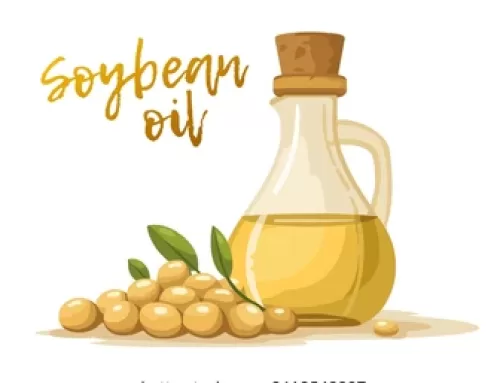
Soybean Oil: The second most consumed oil. Its price is often linked to sunflower oil. It has a similar neutral profile but a slightly different fat composition.
-
Rapeseed/Canola Oil: Popular in Europe and North America. It is often seen as a healthier alternative due to its lower saturated fat and higher Omega-3 content compared to standard sunflower oil, usually at a comparable price point.
Conclusion
Sunflower oil is more than just a bottle on a supermarket shelf; it is a liquid barometer of global stability. From the rich black soil of Ukraine to the frying pans of Mumbai, its journey is influenced by the weather, international conflict, and global dietary trends. As climate change challenges farming norms and geopolitical tensions simmer in key production areas, the “golden commodity” will remain a critical and volatile component of the world food stage.