Walk into any supermarket, and you are surrounded by palm oil. It’s in your chocolate, your laundry detergent, your lipstick, and potentially even the fuel in your car. Yet, most consumers never see it in its raw form.
Palm oil is the “ghost ingredient” of the global economy—an incredibly efficient, highly controversial, and financially complex commodity that dictates the rhythm of tropical agriculture and global food prices alike.
1. The Efficiency Paradox: Why Palm Oil?
Palm oil is a fungible global commodity, meaning one tonne of Crude Palm Oil (CPO) from a plantation in Sumatra is essentially interchangeable with one from Sabah. But why has it outpaced soy, sunflower, and rapeseed to become the world’s #1 vegetable oil?
-
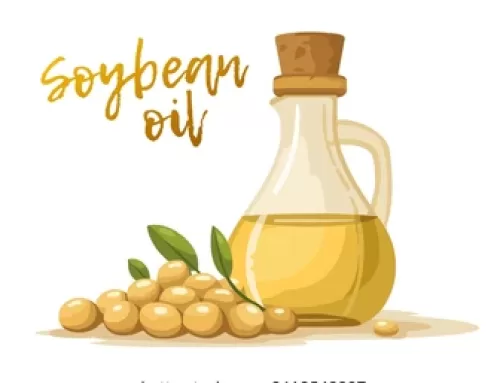
The Yield King: Oil palms produce roughly 2.9 tonnes of oil per hectare. To get the same amount of oil from soybeans, you would need nearly ten times the land.
-
Physical Versatility: It is naturally semi-solid at room temperature without requiring “hydrogenation” (which creates unhealthy trans-fats). This makes it the perfect structural ingredient for everything from “spreadable” margarines to “crunchy” biscuits.
The Industry Footprint
| Industry | Role of Palm Oil |
| Food & Beverage | Provides texture, shelf-life, and high-heat stability for frying. |
| Personal Care | Acts as a foaming agent (surfactant) in shampoos and an emollient in creams. |
| Biofuels | Used as a “feedstock” for biodiesel, particularly in Southeast Asia. |
| Animal Feed | The “palm kernel cake” leftover is a high-protein supplement for livestock. |
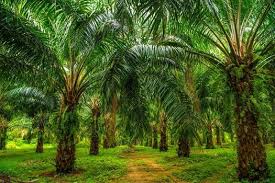
2. The Production Engine: From “Permanent Summer” to Refinery
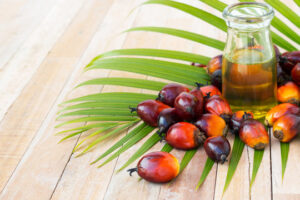
The oil palm tree (Elaeis guineensis) is a picky tenant. It requires a “permanent summer”: temperatures between 24°C and 32°C, heavy rainfall (over 2,000mm annually), and at least five hours of direct tropical sunlight daily.
-
Harvesting: Workers manually harvest “Fresh Fruit Bunches” (FFB).
-
The 24-Hour Rule: Once harvested, the fruit must reach a mill within 24 hours. If delayed, the enzymes begin breaking down the oil, increasing “Free Fatty Acids” (FFA) and lowering the quality/price.
-
Refining & Fractionation: The crude oil is steamed, filtered, and separated into Olein (liquid for cooking) and Stearin (solid for industrial use).
3. The Financial Pulse: How Prices are Born
Palm oil isn’t priced by your local grocer; it’s priced on digital screens in Kuala Lumpur and Chicago.
-
Bursa Malaysia (BMD): This is the global benchmark. The FCPO (Crude Palm Oil Futures) contract here sets the worldwide price.
-
The Food vs. Fuel Tug-of-War: Today, palm oil prices are heavily influenced by government mandates. Indonesia, the world’s largest producer, uses a massive portion of its crop for its B40 biodiesel program (a 40% palm oil blend). When Indonesia increases its domestic “fuel” use, global “food” supply tightens, and prices spike.
-
Inter-Oil Competition: Traders constantly watch the BOPO (Bean Oil – Palm Oil) spread. If palm oil becomes too expensive relative to Soybean oil (its main rival), global buyers like India and China will instantly switch their orders to soy.
4. The “Loopholes” and the Sustainability Gap
To write about palm oil without mentioning its “dark side” is to ignore the reality of the market. While certifications like the RSPO (Roundtable on Sustainable Palm Oil) exist, the system has significant loopholes.
The “Mass Balance” Trap
Many products claim to “support sustainable palm oil,” but this is often via the Mass Balance model. This allows a refinery to mix certified “clean” oil with “un-certified” oil. While the company buys enough credits to cover their volume, the physical oil in your soap might still come from a deforested area.
The Smallholder Exclusion
Smallholder farmers produce about 40% of the world’s palm oil. However, new strict regulations (like the EU’s deforestation laws) require digital “polygon mapping” of every farm. Many independent farmers lack the technology or land titles to comply, effectively “locking them out” of the premium European market and pushing them to sell to less-regulated markets with lower prices.
The Shadow Company Phenomenon
Large corporate groups often pledge “No Deforestation.” However, a common industry loophole involves “shadow companies”—subsidiary firms with hidden ownership structures that continue to clear land while the parent company maintains a “green” reputation on paper.
Final Verdict: The Reality of a Palm-Free World
The biggest misconception about palm oil is that we should boycott it. Because of its incredible yield, replacing palm oil with any other crop would require millions of additional hectares of land, likely leading to more deforestation in places like the Amazon.
The challenge for the future isn’t to quit palm oil—it’s to close the loopholes that allow “dirty” oil to blend into the global supply chain, ensuring that the 3 million smallholders who rely on it aren’t left behind in the green transition.