In the high-stakes world of global trade, we often talk about “Black Gold” (crude oil) or “Digital Gold” (Bitcoin). But there is another “gold” that flows through almost every aspect of our lives—from the salad dressing in your fridge to the fuel in a cross-country truck and the ink on a cardboard box.
Welcome to the world of Soybean Oil, the silent giant of the global commodity market. It is more than just a kitchen staple; it is a geopolitical lever, a renewable energy powerhouse, and a botanical wonder. In this comprehensive guide, we will trace the journey of the soybean from a tiny seed to a multi-billion-dollar liquid asset.
1. The Botany: It’s Not a Tree, It’s a Powerhouse
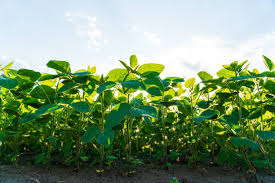
A common misconception is that soybeans grow on trees. In reality, the soybean (Glycine max) is a bushy, annual legume. If you walked into a field in Iowa or Mato Grosso, you’d see rows of emerald-green plants standing about 3 to 4 feet tall, covered in fine, velvety hairs called trichomes.
The Life Cycle of a Soybean
Unlike a perennial tree that lives for decades, the soybean plant lives fast and dies young, completing its mission in roughly 100 to 120 days.
-
The Awakening (Germination): Once planted in warm soil, the seed absorbs water and swells. Within a week, the “hook” of the plant breaks the surface, pulling its first leaves (cotyledons) into the sunlight.
-
Vegetative Growth: The plant focuses on building its “solar panels”—lush, trifoliate leaves. During this stage, something magical happens underground: the plant forms a symbiotic relationship with Rhizobium bacteria. These bacteria live in nodules on the roots, taking nitrogen from the air and “fixing” it into the soil. This makes the soybean a natural fertiliser for the next crop.
-
The Flowering Window: Triggered by the shortening days of late summer (photoperiodism), the plant produces tiny white or purple flowers. Soybeans are self-pollinating, meaning they don’t need bees to do the heavy lifting.
-
Pod Filling: The flowers wither and turn into pods. A healthy plant can produce 60 to 80 pods, each containing 2 to 4 beans. This is where the oil is stored, tucked away in the “meat” of the bean.
-
Senescence (The Dry-Down): As autumn approaches, the plant stops growing. The leaves turn golden-brown and fall off, leaving a field of “standing sticks” rattling with dry pods. This is the signal for the massive harvesters (combines) to roll in.
2. The Ideal “Atmosphere”: Where Soybeans Thrive
The soybean is a “Goldilocks” plant—it needs conditions to be just right.
-
The Temperature: It loves warmth. The ideal growing range is between 20°C and 30°C. If temperatures drop below 10°C, growth stalls; if they spike above 35°C, the plant may drop its flowers under stress.
-
The Soil: Soybeans are heavy drinkers but hate “wet feet.” They require well-drained, fertile loamy soil. A pH between 6.0 and 7.5 is the sweet spot.
-
The Geography: Because they are sensitive to day length, specific varieties are bred for specific latitudes. This is why you see “maturity groups” tailored for everywhere from Northern Canada to Southern Brazil.
3. The “Crush”: How Oil is Extracted
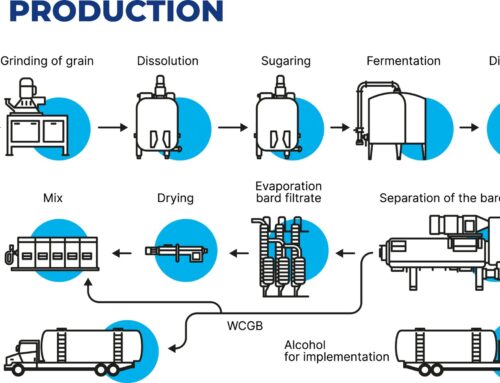
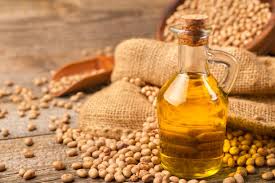
You can’t just squeeze a soybean like an orange to get oil. The process, known in the industry as “The Crush,” is a feat of industrial engineering.
-
Cleaning and De-hulling: The beans are cleaned, and the outer skins (hulls) are removed. These hulls are often toasted and sold as fibre for cattle feed.
-
Flaking: The beans are cracked and rolled into paper-thin flakes. This maximises the surface area for extraction.
-
Solvent Extraction: In large-scale facilities, the flakes are washed with a solvent (usually hexane). This “pulls” the oil out of the plant cells. The solvent is then evaporated and recycled, leaving behind Crude Soybean Oil.
-
Refining (RBD): Crude oil is dark and has a “beany” smell. It undergoes Refining, Bleaching, and Deodorising (RBD). This process removes impurities and free fatty acids, resulting in the clear, neutral-tasting oil we recognise.
Crucial Economic Note: When you crush a soybean, you get two products: roughly 20% oil and 80% soybean meal. The meal is the world’s premier high-protein feed for poultry and pigs. This “joint product” nature means the price of your chicken dinner is often linked to the price of soybean oil!
4. Why is it a Global Commodity
In finance, a commodity is a basic good that is interchangeable with others of the same type. Soybean oil is standardised by grade and quality, allowing it to be traded on global exchanges just like gold or silver.
Key Trading Hubs:
-
CBOT (Chicago Board of Trade): The “Wall Street” of agriculture. The CBOT Soybean Oil futures contract is the global benchmark.
-
DCE (Dalian Commodity Exchange): Located in China, this is the most important exchange for the Asian market.
-
NCDEX (India): Essential for pricing in the Indian subcontinent, the world’s largest import region.
Traders watch the “Crush Spread”—the difference between the cost of raw beans and the combined value of the oil and meal. If the spread is wide, processors make money; if it narrows, they shut down plants.
5. A Multi-Industry Raw Material
If you think soybean oil is just for frying, think again. Its industrial versatility is staggering.
The Food Sector
Soybean oil accounts for a massive portion of all edible oil consumption. It is the base for:
-
Commercial Frying: Its high smoke point (230°C) makes it a workhorse for restaurants.
-
Margarine & Shortening: Hydrogenated (or interesterified) soy oil provides the “structure” for baked goods.
-
Emulsifiers: Lecithin, a byproduct of soy oil processing, is what keeps the chocolate in your candy bar from separating.
The Energy Sector (The Biofuel Revolution)
This is the biggest story of 2025–2026. Soybean oil is the primary feedstock for Biodiesel and Renewable Diesel. Unlike older biofuels, modern Renewable Diesel is chemically identical to petroleum diesel, meaning it can be dropped into any engine without modification. Government mandates in the US and Brazil have turned soy oil into a “green fuel” essential for meeting carbon-reduction targets.
The “Green” Industrial Sector
-
Soy Ink: Used in most newspapers and cardboard packaging. It is more vibrant and easier to remove during paper recycling than petroleum-based inks.
-
Bioplastics: From Ford car seats to upholstery foam, soy-based polyols are replacing petroleum-based plastics.
-
Cosmetics: It serves as a natural emollient in lotions and soaps.
6. The Global Trade Map: Who Holds the Power?
The soybean oil market is a tale of two hemispheres.
| Role | Countries |
| Top Exporters | Argentina (the processing king), Brazil, and the USA. |
| Top Importers | India (the #1 buyer), China, and the European Union. |
Argentina is unique because it taxes the export of raw beans more heavily than processed oil. This has turned the country into the world’s “crushing plant,” exporting massive amounts of oil to the rest of the world.
7. Geopolitics & The 2026 Landscape
As we move through 2026, several geopolitical factors are shaking the market:
-
The India-US Trade Shift: Following the February 2026 trade pact, India has begun lowering tariffs on US soy oil. This is a strategic move to reduce India’s over-reliance on South American supplies and has created a new “trade corridor” across the Pacific.
-
The EUDR (Deforestation Regulation): The European Union now requires strict proof that soybean oil was not grown on land deforested after 2020. This has created a “premium market” for certified sustainable oil, particularly impacting Brazilian producers.
-
The “Food vs. Fuel” Debate: As more soybean oil is diverted to make jet fuel and truck diesel, the price of cooking oil for the world’s poor often rises. This creates a delicate balancing act for governments: do you subsidise green energy or keep food affordable?
Conclusion: The Future is Soy-Powered
From its humble beginnings as a nitrogen-fixing legume in East Asia, the soybean has evolved into the most important oilseed on the planet. It sits at the intersection of Food Security, Energy Independence, and Environmental Sustainability.
As we look toward the rest of 2026, the “Liquid Gold” of soybean oil will continue to be a primary indicator of global economic health. Whether it’s powering a tractor in Indiana or seasoning a stir-fry in Mumbai, the soybean’s influence is inescapable.