The Scientific Foundation: It’s Not “Everyday” Grapes
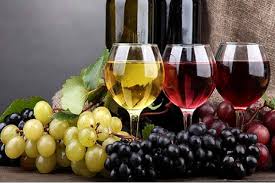
To understand wine as a commodity, we must first understand the “raw material.” You cannot make an investment-grade Cabernet Sauvignon from the Thompson Seedless grapes you find at a local grocery store.
The world of fine wine is built on Vitis vinifera. These are “lean and mean” grapes. Unlike the “fat and sassy” table grapes bred for snacking, wine grapes are small, seedy, and intensely sweet. Their thick skins contain the tannins and phenolics that act as the wine’s “architectural skeleton,” allowing it to age for decades. In 2026, the market value of these grapes is driven by a metric known as Brix (sugar content). While table grapes sit at 17-19%, wine grapes are harvested at 24-28%, providing the fuel for fermentation.
Wine as a Commodity: The 2026 Trading Floor
If you view wine purely as a commodity, it is an asset class characterized by inverse supply. Unlike gold, where higher prices lead to more mining, wine supply is legally capped by terroir and regional laws (AOCs). As a bottle is drunk, the supply of that specific vintage drops, often driving the price up.
While the Liv-ex (London International Vintners Exchange) remains the “Gold Standard” for price discovery, the 2026 landscape has matured significantly:
-
Bordeaux Index (LiveTrade): This platform offers instant liquidity, allowing traders to buy and sell “Blue Chip” wines like Sassicaia or Opus One with the same transparency as a tech stock.
-
Fractional Ownership & NFTs: The biggest shift in 2026 is the rise of platforms like Vinovest and Alti Wine Exchange. These allow investors to own “fractions” of a legendary barrel through blockchain-backed tokens. You don’t need $30,000 for a case of Domaine de la Romanée-Conti; you can own 1% of a bottle and trade that stake digitally while the physical asset remains in a climate-controlled vault in Geneva.
The Artistry: Winemaking as a Performance
If the commodity side of wine is about spreadsheets, the “art” side is about the human touch. This is where science ends and intuition begins.
1. The Human Machine: Foot-Treading
You asked about the legendary “feet-crushing” of grapes. In 2026, this isn’t just a gimmick; it is a high-end artisanal technique. In the Douro Valley, top-tier Vintage Ports are still made in lagares (stone vats) where teams of people tread on grapes. The human foot is the perfect tool: it is heavy enough to crush the fruit but lacks the mechanical “bite” that would crack the bitter seeds (pips). This produces a wine with a “softer” soul—an artistic choice that a machine cannot replicate.
2. The Canvas: Artist Labels
Nowhere is the “Wine as Art” metaphor more literal than at Château Mouton Rothschild. Since 1945, they have treated their labels as a global gallery. Over the decades, the “Special Issue” labels have featured:
-
Picasso (1973)
-
Andy Warhol (1975)
-
Jeff Koons (2010)
-
King Charles III (2021)
By 2026, these bottles are traded not just for the liquid inside (a masterful Cabernet blend), but as collectible art objects. A complete vertical set of Mouton Rothschild is worth more than the sum of its individual bottles, much like a complete series of lithographs.
The Bridge: Limited Editions and “Special Issues”
Beyond the celebrities and the famous painters, wine enters the “special issue” realm through rarity and heritage.
-
Extinct Varieties: Winemakers are now acting as “biologists,” reviving grapes like the nearly extinct Prunelard. Producing only 500 bottles a year, these releases are “Limited Edition Prints” of the viticultural world.
-
Library Releases: Wineries are increasingly holding back stock for 20 years, releasing “Museum Editions” with special wax seals. These are the “Remasters” of the wine world—re-releasing a classic work for a new generation.
Conclusion: The 2026 Market Outlook
As we move through 2026, the fine wine market is finding its footing after a three-year correction. Prices have stabilized, but the “commodity” is becoming more “artistic.” Investors are no longer just looking for “Big Names”; they are looking for provenance (the history of ownership) and authenticity.
Whether it is a bottle of foot-crushed Port from a tiny Portuguese estate or a fractional share of a Bordeaux icon traded via a digital exchange, wine remains the world’s most unique asset. It is a commodity that you can trade on a Monday—and a work of art you can drink on a Friday.