When most people think of commodities, they picture glittering gold bars, gushing oil wells, or mountains of electronic chips. Yet, one of the most volatile and essential markets on the planet involves something much more organic: Feeder Cattle.
Often referred to as the “middlemen” of the protein world, feeder cattle are the critical link in the global beef supply chain. As we move through 2026, the market is facing record-high prices and historic supply contractions, making this a fascinating time to look under the hood of this livestock powerhouse.
What Exactly Are Feeder Cattle?
In the cattle industry, animals are classified by their stage of life. Feeder cattle are weaned calves—typically steers (castrated males) or heifers (females that haven’t given birth)—that have reached a weight of roughly 600 to 900 pounds.
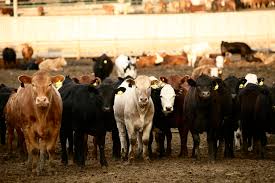
Think of them as “teenagers.” They have finished their initial growth phase on pasture with their mothers (the cow-calf stage) and are now ready to be “placed” in a feedlot. In the feedlot, they will be fed a high-energy diet of corn and grain to put on the final 500+ pounds required for slaughter.
Pro Tip: If you hear the term “stockers,” it usually refers to lighter calves (300–600 lbs) being grown on grass before they officially become “feeders.”
The Livestock Life Cycle: From Birth to Beef
To understand the commodity, you must understand the biology. The journey of a steak involves three distinct business models:
-
Cow-Calf Operations: This is where it begins. Ranchers keep a permanent herd of cows to produce one calf per year. Calves are weaned at 6–10 months.
-
Backgrounding/Stocker Phase: This is the “Feeder” stage. Weaned calves are put on pasture or cheap forage to build frame and muscle without getting too fat.
-
Feedlot (Finishing) Phase: Once the animal reaches about 800 lbs, it is sold to a feedlot. Here, it becomes Live Cattle. It stays here for 120–180 days until it hits a slaughter weight of 1,200 to 1,400 pounds.
Feeder Cattle vs. Live Cattle: What’s the Difference?
While they belong to the same species, they are treated as two distinct commodities in the financial markets.
| Feature | Feeder Cattle (FC) | Live Cattle (LC) |
| Weight | 600 – 900 lbs | 1,200 – 1,400 lbs |
| Status | Input (Work-in-progress) | Output (Finished product) |
| Diet | Primarily grass/forage | High-energy grain/corn |
| Market Role | Sold to feedlots | Sold to meat packers |
| Settlement | Cash-settled | Physically delivered |
The primary difference for a trader is the input-output relationship. Feeder cattle are the “raw material” for the feedlot. Therefore, the price a feedlot is willing to pay for a feeder calf is heavily dictated by what they expect to sell the “Live Cattle” for in six months, minus the cost of the corn used to get them there.
Trading the “Cattle Crush”
In the commodity markets, professional traders often use a strategy called the Cattle Crush. This is an arbitrage-style trade that mimics the profit margin of a feedlot.
The formula for the “Crush” spread looks something like this:
If corn prices skyrocket, feedlots can’t afford to pay as much for feeder cattle. Consequently, Feeder Cattle prices often have a strong inverse relationship with Corn prices.
The Global Landscape: Producers, Exporters, and Importers
The cattle market is a global behemoth, but production is concentrated in regions with vast grazing lands.
Biggest Producers
-
India: While primarily known for dairy and water buffalo (carabeef), India holds the world’s largest bovine population.
-
Brazil: A powerhouse in grass-fed production with a massive commercial herd.
-
United States: The leader in high-quality, grain-fed beef. Texas, Nebraska, and Kansas are the “big three” states.
-
China: Rapidly expanding its domestic herd but still struggles to meet surging internal demand.
Top Exporters and Importers (2025–2026 Data)
-
Exporters: Australia and Brazil dominate the global meat trade, while Mexico and Canada are the primary exporters of live feeder cattle specifically into the U.S. market.
-
Importers: The United States is the world’s largest importer of feeder cattle (mostly from Mexico) to fill its massive feedlots. China, Japan, and South Korea are the top importers of the finished beef product.
Where Do They Trade?
Feeder cattle are traded primarily on the CME Group (Chicago Mercantile Exchange).
-
Ticker Symbol: FC
-
Contract Size: 50,000 pounds (roughly 60–80 head of cattle).
-
Price Quote: Cents per pound (e.g., $2.50/lb or 250.00).
-
Settlement: Unlike Live Cattle (which can be physically delivered), Feeder Cattle contracts are cash-settled based on the CME Feeder Cattle Index, a 7-day weighted average of physical sales.
Factors That Influence Pricing
If you want to trade feeder cattle, you’re not just watching cows; you’re watching the sky, the dirt, and the gas station.
-
The Corn Factor: As mentioned, corn is the #1 expense for feedlots. When corn is cheap, feeders are expensive (because feedlots have more margin to bid them up).
-
The 10-Year Cattle Cycle: Cattle have a long biological lag. It takes about three years from the moment a rancher decides to expand their herd until a new steak hits the shelf. We are currently in a “contraction” phase in 2026, meaning supplies are tight and prices are at historic highs.
-
Weather (Drought): Drought is the enemy. If there is no grass, ranchers must sell their calves early or cull their breeding cows. This creates a temporary glut (lower prices) followed by years of extreme scarcity (higher prices).
-
Packing Capacity: If a major slaughterhouse shuts down (due to fire, strike, or cyberattack), the “Live Cattle” can’t be processed. This backs up the whole system, causing feeder cattle prices to tumble as demand from feedlots evaporates.
The Geopolitics of Beef
In 2026, the “protein race” is as much about policy as it is about pasture.
-
Trade Barriers: The U.S.-Mexico border is a constant flashpoint. In late 2025, concerns over the “New World screwworm” and other health regulations led to temporary border closures, causing Feeder Cattle prices in the U.S. to spike due to the loss of Mexican supply.
-
China’s Quotas: China has moved toward “country-specific” import quotas. If Brazil fills its quota, demand shifts to Australia or the U.S., causing sudden ripples in regional pricing.
-
Sustainability Regulations: The EU’s strict “deforestation-free” regulations have forced major exporters like Brazil to implement sophisticated GPS tracking for every head of cattle, adding “compliance costs” to the commodity’s price tag.
Common Breeds in the Feeder Market
Not all cattle are created equal. In the commodity market, “Black Hide” cattle often command a premium.
-
Angus: The gold standard for marbling and meat quality. “Certified Angus Beef” is a massive marketing engine.
-
Hereford: Known for their docility and “foraging ability”—they can survive on tougher grass.
-
Charolais & Simmental: “Continental” breeds that are larger and more muscular, often used to add weight to a crossbreeding program.
-
Dairy-Beef Crosses: A growing trend in 2026. Holstein cows (dairy) are bred with Angus bulls to create a calf that has the frame of a dairy cow but the meat quality of a beef animal.
Seasonal Trends: The Spring and Fall Runs
The “cattle calendar” is driven by the seasons:
-
The Fall Run: Most calves are born in the spring. By October/November, they are weaned and flooded into the market. This high supply usually leads to a seasonal low in prices.
-
The Spring Peak: In the spring, “stocker” demand is high as buyers look for cattle to put on new green grass. This usually supports higher prices.
-
Winter Weather: Severe blizzards in the Plains can stop transport and reduce “weight gain” (cattle burn calories just to stay warm), which can cause sudden price spikes due to delivery delays.
Consumer Preferences: The End of the Tail
The feeder cattle market is ultimately a slave to the person standing at the grocery store meat counter.
-
The Ground Beef Revolution: As inflation squeezed consumers in 2024 and 2025, demand for expensive ribeyes dropped while demand for hamburger meat surged. This increased the value of “lean” cattle and cull cows relative to high-end “Choice” feeders.
-
Traceability: Modern consumers want to know where their beef came from. This has led to “Program Cattle”—feeders that are non-GMO, hormone-free, or grass-finished—which trade at a significant premium over the “commodity” index.
Conclusion
Feeder cattle are a high-stakes, high-complexity commodity. They require an understanding of global grain markets, long-term biological cycles, and short-term weather patterns. In 2026, with the global herd at its smallest in decades, the “teenagers” of the cattle world are more valuable than ever. Whether you’re a rancher hedging your risk or a trader looking for volatility, this market offers a “meaty” challenge.