Orange juice, a staple on breakfast tables worldwide, is far more than just a refreshing beverage. It’s a significant global commodity, deeply intertwined with complex agricultural practices, sophisticated processing, and dynamic market forces. From the humble orange grove to the concentrated drums shipped across oceans, the journey of orange juice is a fascinating tale of nature, innovation, and global trade.
The Versatile Orange: A Fruit of Ancient Lineage
Before diving into the juice, let’s appreciate the source: the orange. This vibrant citrus fruit, scientifically known as Citrus sinensis, is a powerhouse of nutrition and has a rich history that spans millennia.
Nutritional Profile of an Average Orange
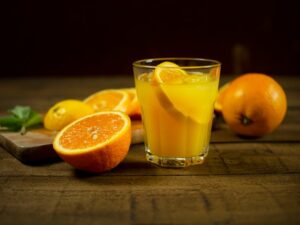
An average-sized orange (around 140-150 grams) is a nutritional gem, primarily composed of carbohydrates and water, with very little fat and protein.
- Calories: Approximately 73 calories.
- Carbohydrates: Around 16.5 grams, mostly from natural sugars like fructose and glucose, which provide a quick energy boost. It also contains about 2.8 grams of dietary fiber, crucial for digestive health and blood sugar regulation.
- Vitamins: Oranges are exceptionally rich in Vitamin C, often providing over 90% of the Daily Value (DV) in a single fruit. Vitamin C is a powerful antioxidant vital for immune function, collagen synthesis, and iron absorption. They also contain Folate (Vitamin B9), essential for metabolism and cell development, and Thiamin (Vitamin B1).
- Minerals: Key minerals found in oranges include Potassium, important for blood pressure regulation and heart health, and Calcium, beneficial for bone health. Smaller amounts of magnesium, phosphorus, and other trace elements are also present.
- Other Beneficial Compounds: Oranges are packed with phytonutrients like flavonoids and carotenoids, which contribute to their antioxidant properties and vibrant color.
The Dawn of Orange Farming: A Journey from Asia to the World
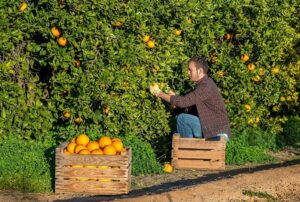
The history of orange farming is a testament to global exploration and agricultural ingenuity. Oranges originated in a region encompassing Southern China, Northeast India, and Myanmar. The earliest documented mention of the sweet orange dates back to Chinese literature in 314 BC.
Initially, these citrus trees likely produced more bitter fruit. Over centuries, cultivation in China led to the development of the sweeter varieties we know today. From its Asian homeland, oranges began their westward migration:
- Ancient Trade Routes: Early sailors and traders carried citrus seeds and trees along routes like the Silk Road, spreading them to India, Africa, and eventually to the Mediterranean region.
- Roman Influence: The Romans are believed to have helped disseminate citrus fruits throughout their empire. By the 10th century, oranges were growing across the Mediterranean.
- Crusaders and European Popularity: Crusaders returning from the Holy Lands further popularized oranges in Europe. For a period, oranges were more prized in Europe for their ornamental beauty and the delightful fragrance of their blossoms and peel than for their fruit.
- Arrival in the Americas: Christopher Columbus played a pivotal role in bringing oranges to the Western Hemisphere, planting the first orange tree seeds on the island of Haiti in 1493. Subsequent expeditions by the Spanish further spread citrus cultivation throughout the Americas, establishing groves wherever they went. This was partly driven by the realization that citrus fruits were a potent cure for scurvy, a debilitating disease caused by Vitamin C deficiency, which plagued sailors on long voyages.
This long journey transformed the orange from a regional fruit to a globally cultivated crop.
Global Leaders in Orange Production
Today, oranges are widely grown in tropical and subtropical regions across the globe. The production landscape is dominated by a few key players who account for a significant portion of the world’s supply.
As of recent data, the top orange-producing countries are:
- Brazil: Consistently the world’s largest producer, Brazil harvests around 16 million metric tons annually. The São Paulo region is its primary cultivation hub, with the vast majority of its oranges dedicated to juice production, making Brazil the undisputed leader in global orange juice exports (often accounting for around 60% of worldwide shipments).
- India: Ranking second, India produces approximately 10.6 million metric tons, with Maharashtra and Madhya Pradesh being major growing states. Indian oranges, especially the Nagpur variety, are renowned for their sweetness.
- China: With about 7.5 million metric tons, China is a major producer, primarily in southern provinces like Jiangxi and Hunan. There’s a strong domestic demand for fresh oranges and citrus products within China.
- United States: The U.S. produces around 4.8 million metric tons, with Florida being famous for its juice oranges and California for its fresh eating varieties (like Navel and Valencia).
- Mexico: Mexico completes the top five, producing approximately 4.2 million metric tons, with Veracruz being its central cultivation area. Similar to Brazil, a significant share of Mexican oranges goes into juice production for export.
Other notable producers include Spain, Egypt, Indonesia, and Iran, contributing to the global orange supply chain.
Orange Juice as a Commodity: The Journey to Your Glass
Orange juice, particularly its concentrated form, is a significant agricultural commodity traded on global markets. Its journey from the tree to the end product involves multiple stages, each adding value and cost.
From Grove to Mill: The Initial Harvest
The process begins with the harvest of ripe oranges from vast groves. Oranges destined for juice are typically picked by mechanical harvesters, though hand-picking is still common in many regions. Once harvested, the oranges are transported to processing plants, often located near the groves to minimize transport costs and preserve freshness.
At the processing plant, oranges undergo:
- Washing and Sorting: Oranges are thoroughly washed to remove dirt and debris. They are then sorted to remove any damaged or unripe fruit.
- Juice Extraction: High-speed juicers extract the juice from the oranges, separating the liquid from the peel, pulp, and seeds.
The Rise of FCOJ: Innovation in Preservation
The connection between orange juice and Frozen Concentrated Orange Juice (FCOJ) is central to the commodity market. FCOJ revolutionized the industry by addressing the challenges of transporting and storing a perishable, bulky product like fresh orange juice.
What is FCOJ? FCOJ is essentially orange juice with most of its water content removed, then frozen. This concentration process achieves several critical objectives:
- Volume and Weight Reduction: By evaporating about 80% of the water, FCOJ drastically reduces the volume and weight of the juice. This makes it incredibly efficient and economical to store in large tanks and ship across continents, significantly lowering freight costs.
- Extended Shelf Life: Freezing the concentrate halts microbial activity and extends the product’s shelf life considerably, allowing it to be stored for long periods before reconstitution.
- Cost-Effectiveness: The reduced shipping and storage costs contribute to making orange juice more affordable and accessible to consumers globally, far from the orange groves.
The Concentration Process:
- Evaporation: Fresh orange juice is heated under vacuum in multi-stage evaporators (such as Thermally Accelerated Short-Time Evaporators or TASTE evaporators). The vacuum allows water to evaporate at lower temperatures, minimizing the loss of flavor compounds and heat damage to the juice’s nutritional profile.
- Essence Recovery: During evaporation, volatile aroma and flavor components are collected. These “essences” can be added back to the concentrate or the reconstituted juice later to restore a fresher, more natural flavor.
- Freezing: The concentrated juice (typically reaching around 65% soluble solids, or 65° Brix) is then rapidly frozen and stored in large drums or tanks at very low temperatures (e.g., -10°F or -23°C).
Reconstitution and “From Concentrate” Juice: When FCOJ reaches its destination (e.g., a bottling plant in a non-orange-producing country), water is added back to it in precise ratios, along with the recovered essences, to bring it back to a single-strength juice. This is the “orange juice from concentrate” commonly found in retail stores.
The “Not From Concentrate” (NFC) Alternative
In contrast to FCOJ, “Not From Concentrate” (NFC) orange juice bypasses the concentration and reconstitution steps. After extraction, NFC juice is typically flash-pasteurized (heated quickly to kill bacteria and extend shelf life) and then chilled and packaged. NFC aims to offer a taste profile closer to freshly squeezed juice, often commanding a higher price due to higher transport costs (as it’s mostly water) and perceived freshness.
Pricing: From the Tree to the End Product
The pricing of orange juice, both as a raw material and a finished product, is influenced by a complex interplay of agricultural, economic, and geopolitical factors. It’s a journey of added value at each stage.
Farm Gate Price (From the Tree)
The price paid to growers for oranges directly reflects several factors:
- Yields: The quantity of fruit produced per acre or per tree is a primary determinant. Good harvests (high yields) generally lead to lower prices per box/tonne, while poor harvests lead to higher prices.
- Weather Conditions: Adverse weather events like droughts, freezes, hurricanes, or excessive rain can decimate crops, leading to significant price spikes. For example, Florida’s citrus industry has historically been vulnerable to hurricanes, and Brazil faces similar weather-related challenges.
- Diseases: Citrus greening disease (Huanglongbing or HLB) is a devastating bacterial disease that has significantly impacted orange production in major growing regions like Florida and Brazil. This disease reduces yields and can eventually kill trees, leading to supply shortfalls and higher prices.
- Production Costs: Labor, fertilizer, pesticides, water, and energy costs all factor into the price growers need to receive to remain profitable.
- Variety and Quality: Oranges specifically grown for juice (e.g., Valencia) may command different prices than those for fresh consumption (e.g., Navel).
Processing and Commodity Prices (FCOJ and NFC)
Once oranges reach the processing plant, additional costs and market dynamics come into play:
- Processing Costs: These include the energy for juicing and evaporation, labor for plant operations, packaging materials, and quality control.
- Commodity Exchanges: FCOJ is a globally traded commodity, with its price often determined on futures exchanges, such as the Intercontinental Exchange (ICE) in New York. Traders and speculators buy and sell futures contracts based on expectations of supply and demand. These contracts represent standardized units of concentrated orange juice solids.
- Supply and Demand: Global supply (influenced by harvests in major producing countries) versus global demand drives the bulk commodity price. Shortfalls from major producers (like Brazil or Florida) can cause prices to surge significantly, as seen in recent years due to disease and adverse weather.
- Logistics and Transportation: The cost of shipping FCOJ in large tanker ships or drums from producing countries (e.g., Brazil) to consuming markets (e.g., Europe, North America) is a major component of the price.
- Currency Exchange Rates: Since FCOJ is often traded in USD, fluctuations in currency exchange rates can impact prices for buyers and sellers in different countries.
- Inventory Levels: Global inventory levels of FCOJ also play a crucial role. Low inventories due to poor harvests can keep prices elevated even if a subsequent harvest is better.
Retail Prices (End Product)
The price you pay for orange juice in the supermarket incorporates all the above factors, plus additional costs:
- Packaging: Cartons, bottles, and other retail packaging add cost.
- Transportation to Retail: Shipping costs from the bottling plant or distribution center to the retail store.
- Marketing and Branding: Costs associated with advertising, brand development, and promotions.
- Retailer Markup: The profit margin taken by the supermarket or retailer.
- Type of Juice: NFC juice generally costs more than “from concentrate” juice due to higher transport costs (shipping more water) and often a perception of premium quality. Organic or specialty orange juices will also command higher prices.
- Market Competition: The level of competition among juice brands and retailers can influence pricing strategies.
In essence, the pricing of orange juice is a dynamic system. While the farm gate price sets the base, the subsequent processing, global trading, logistics, and retail markups all contribute to the final price consumers pay. The volatility of agricultural yields, climate change impacts, and disease outbreaks mean that orange juice prices can fluctuate significantly, directly reflecting the challenges and triumphs of this golden commodity.
Conclusion
The journey of orange juice, from a small seed in ancient Asia to a globally traded commodity, reflects centuries of agricultural development and human innovation. The orange itself is a marvel of nature, packed with vital nutrients. The advent of Frozen Concentrated Orange Juice transformed the industry, making this healthful beverage accessible worldwide and solidifying its position as a major player in the global food market.
Understanding the intricate supply chain, from the challenges faced by farmers to the complex pricing mechanisms on commodity exchanges, reveals the true value and vulnerability of this beloved drink. As climate patterns shift and diseases continue to pose threats, the orange juice industry remains on the front lines of agricultural adaptation, striving to ensure that the golden liquid continues to flow from groves to glasses around the world. The next time you pour a glass of orange juice, consider the remarkable journey it has undertaken to reach your table, a testament to global agriculture and trade.