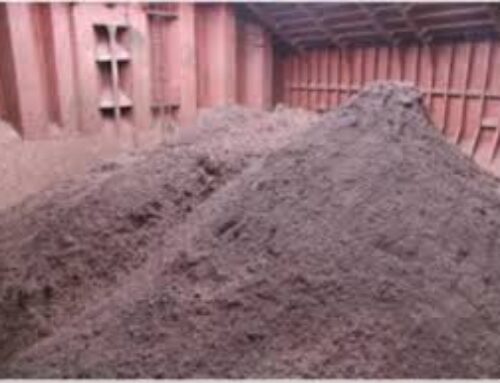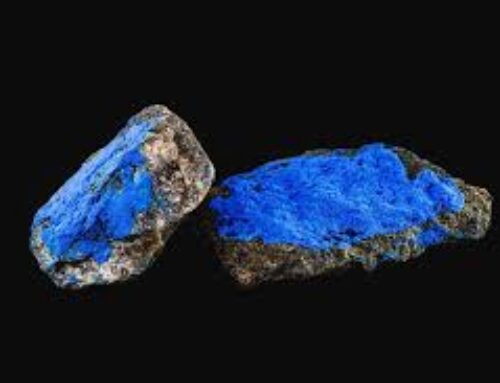
When people think of “precious metals,” gold usually hogs the spotlight. But if gold is a Hollywood A-lister, Rhodium is the elusive, high-demand tech mogul who actually runs the show behind the scenes. It’s rarer, tougher to find, and—at various points in history—exponentially more expensive than gold.
Let’s dive into the fascinating world of this silvery-white powerhouse, from its humble discovery to its role as a geopolitical lightning rod.
1. A Brief History: From “Trash” to Treasure
Rhodium (atomic symbol: Rh) was discovered in 1803 by English chemist William Hyde Wollaston. He didn’t find it in a gold mine; he found it hidden inside a piece of crude platinum ore from South America.
Wollaston named it after the Greek word rhodon (rose), because of the rose-pink color of its salts. For over a century, it remained a scientific curiosity with few industrial uses—until the world started worrying about what was coming out of car tailpipes.
The Trading Timeline
-
The Early Years (1800s–1970s): Rhodium was mostly a byproduct of platinum mining with niche uses in laboratory equipment.
-
The 1970s Pivot: The U.S. Clean Air Act changed everything. The invention of the three-way catalytic converter turned Rhodium into a vital commodity.
-
2008 Spike: Prices hit roughly $10,000 per ounce due to supply disruptions in South Africa, only to crash during the Great Recession.
-
The 2021 Moonshot: In March 2021, Rhodium reached a staggering $29,800 per ounce—making it roughly 17 times more expensive than gold at the time.
-
Today (2026): While prices have stabilized from the 2021 mania, it remains the “volatility king” of the commodities market.
2. Where is it Found and How is it Mined?
Rhodium does not exist in standalone “Rhodium mines.” It is a byproduct. You find it while looking for Platinum, Palladium, or Nickel.
The Geography of Scarcity
-
South Africa: Produces approximately 80% to 85% of the world’s supply, specifically from the Bushveld Igneous Complex.
-
Russia: The second-largest producer, though it focuses more on Palladium.
-
North America: Small amounts are recovered from nickel mining in the Sudbury region of Canada and the Stillwater Complex in the U.S.
The Mining Process
The extraction of Rhodium is a grueling marathon. To get just a few ounces, miners must process tons of ore.
-
Extraction: Ore is pulled from deep underground mines (some over 2km deep).
-
Froth Flotation: The ore is crushed and mixed with water and chemicals to separate the metal-rich particles.
-
Smelting: The concentrate is heated to extreme temperatures to remove impurities like iron and sulfur.
-
Refining: This is the “mad scientist” phase. Through a complex series of chemical baths involving acids and solvents, Platinum, Palladium, and finally Rhodium are isolated. It can take up to six months from the time ore is mined until refined Rhodium is ready for market.
3. Industrial Demand: Who Needs It?
If you’ve breathed clean air in a city recently, you can thank Rhodium.
The Automotive Sector (80% of Demand)
Rhodium is the most effective catalyst for reducing nitrogen oxides (NOx) in car exhaust. While Platinum and Palladium handle carbon monoxide and unburnt fuel, Rhodium is the specialist that breaks down smog-causing NOx.
Other Key Industries:
-
Glass Making: Rhodium-platinum alloys are used to make the “bushings” that fiber glass is drawn through.
-
Chemical Industry: Used as a catalyst for producing nitric acid and acetic acid.
-
Jewelry: Since Rhodium is incredibly reflective and doesn’t tarnish, it is used to “plate” white gold and sterling silver to give them a brilliant, scratch-resistant finish.
-
Electronics: Used in electrical contacts that require high corrosion resistance.
4. The Global Trade: Importers and Exporters
Because supply is so concentrated, the trade map is very lopsided.
| Role | Key Players |
| Top Exporters | South Africa, Russia, United Kingdom (major refining hub). |
| Top Importers | China, USA, Japan, Germany (the world’s major car manufacturers). |
5. Geopolitical Factors: The Fragility of Supply
Rhodium is a “high-risk” commodity because its supply depends on two very complicated regions:
-
South Africa’s Power Grid: The state utility, Eskom, has struggled with “load shedding” (rolling blackouts). Since deep-level mining requires constant electricity for ventilation and cooling, power cuts instantly choke global Rhodium supply.
-
The Russia Factor: Political sanctions and trade restrictions on Russia create massive “jitters” in the PGM (Platinum Group Metals) markets, sending prices into a tailspin or a vertical climb.
6. Comparison: Rhodium vs. The “Big Three”
| Feature | Rhodium | Gold | Platinum | Palladium |
| Primary Use | Industrial (Auto) | Investment/Jewelry | Industrial/Jewelry | Industrial (Auto) |
| Rarity | Ultra-Rare | Rare | Uncommon | Rare |
| Corrosion Resistance | Extreme | High | High | High |
| Market Size | Tiny (Volatile) | Massive (Stable) | Medium | Medium |
| Specialty | NOx Reduction | Store of Value | Diesel Engines | Gasoline Engines |
The Verdict
Rhodium is the ultimate “utility player” with the price tag of a luxury icon. As the world pushes for stricter emissions standards, the demand for this metal isn’t going anywhere—even as we transition to EVs (which don’t use it). For now, it remains the most critical metal you probably don’t have in your pocket.