When we think of “precious” metals, gold and silver usually hog the spotlight. But if you’re reading this on a smartphone or a laptop, you’re currently holding a masterpiece of engineering held together by an unsung hero: Tin (Sn).
While it’s famous for “tin cans,” that’s barely the tip of the iceberg. As we move through 2026, tin has become one of the most strategically significant metals on the planet, driving everything from the AI revolution to the green energy transition. Let’s dive into why this silvery metal is much more than just a kitchen staple.
The Chemistry of Success: Why Tin is Essential
Tin sits in Group 14 of the periodic table, and its unique chemical personality makes it irreplaceable in modern manufacturing. Here are the properties that give it its “industrial edge”:
-
Low Melting Point: Tin melts at a relatively low 231.9°C (449.4°F). This allows it to be used in solders that can join other metals without melting the actual components.
-
Corrosion Resistance: It doesn’t react easily with water or air. When used as a coating (tinplate), it prevents steel from rusting, which is why your canned soup doesn’t taste like a rusty pipe.
-
Non-Toxicity: Unlike lead or cadmium, tin is safe for human contact, making it the gold standard for food and beverage packaging.
-
Wetting Ability: In its molten state, tin “wets” and adheres to other metals (like copper) incredibly well, creating a strong, conductive bond.
Where Does All the Tin Go?
The global demand for tin is currently dominated by three major sectors:
-
Electronics (Solder): Roughly 50% of all tin goes into solder. It is the “glue” that connects chips to circuit boards. With the surge in AI servers and 5G infrastructure in 2025-2026, this demand has hit record highs.
-
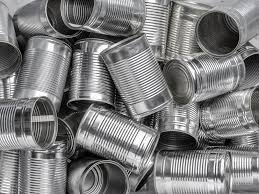
Packaging (Tinplate): About 15–20% is used to coat steel for food and beverage cans.
-
Chemicals: Tin compounds are used as stabilisers in PVC plastics (to prevent them from degrading in the sun) and as catalysts in the production of polyurethane.
-
Float Glass: Did you know modern windows are made by floating molten glass on a bed of molten tin? This creates a perfectly flat, distortion-free surface.
Trading the “Solder Metal”: Exchanges and Prices
If you want to trade tin as a commodity, you’ll likely find yourself looking at these two major hubs:
| Exchange | Location | Common Ticker/Code |
| London Metal Exchange (LME) | London, UK | SN (or LSN) |
| Shanghai Futures Exchange (SHFE) | Shanghai, China | SN |
Why is the Price So Wild?
As of March 2026, tin prices have been on a roller coaster. While it stabilised recently around $50,000 per ton, it saw massive spikes earlier this year. Price fluctuations are generally driven by:
-
LME Inventory Levels: Tin is a “thin” market (smaller volume than copper), so even small changes in warehouse stocks can cause massive price swings.
-
Tech Cycles: A boom in semiconductor sales immediately sends tin prices upward.
-
Speculative Capital: Because tin is a critical “energy transition” metal, it attracts significant investor interest.
From Earth to Ingot: The Mining Process
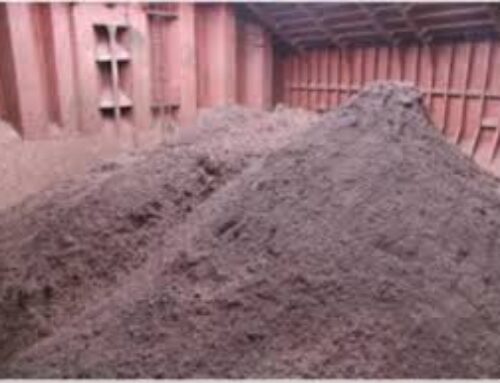
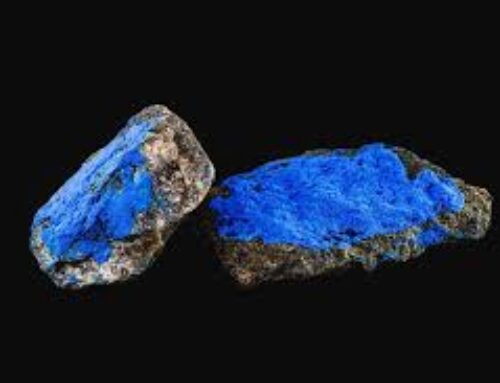
Tin isn’t found as a pure metal; it’s mostly extracted from the mineral cassiterite ($SnO_2$). The process is a mix of old-school physics and high-tech separation:
-
Mining: * Alluvial Mining: Using dredges or gravel pumps to suck up tin-bearing sands from riverbeds.
-
Hard Rock Mining: Traditional underground mining for vein deposits.
-
-
Concentration (Gravity Separation): Because cassiterite is much heavier (denser) than the surrounding rock, miners use shaking tables and jigs to “wash away” the lighter waste.
-
Smelting: The concentrated ore is heated with carbon (coke) in a furnace to strip away the oxygen, leaving behind 99.9% pure tin.
The Power Players (2026 Rankings)
The world’s tin supply is highly concentrated. The biggest miners and producers include:
-
Yunnan Tin (China): The “OPEC of Tin,” controlling nearly a quarter of global refined supply.
-
PT Timah (Indonesia): A state-owned giant with massive offshore dredging operations.
-
Minsur (Peru): Known for operating one of the highest-grade tin mines in the world (San Rafael).
-
Alphamin Resources (DRC): Operates the Mpama North/South complex, currently the highest-grade tin deposit on the planet.
-
MSC (Malaysia Smelting Corp): A leader in high-efficiency smelting.
The Global Tug-of-War: Trade and Geopolitics
Tin is a classic example of “concentrated supply vs. global demand.”
-
Top Exporters: Indonesia, Peru, and Bolivia.
-
Top Importers: China (despite being a producer, they consume way more than they mine), the USA, Japan, and South Korea.
The Geopolitical Squeeze
Why has tin been so expensive in late 2025 and early 2026? Geopolitics. * Indonesia’s Export Bans: Indonesia has frequently restricted raw tin exports to force companies to build refineries locally.
-
Myanmar Disruptions: The Man Maw mine in Myanmar—a critical source for Chinese smelters—has faced several “audit pauses” and closures due to local conflict and environmental regulations.
-
Mineral Security: As the US and China compete for tech supremacy, securing “non-adversarial” tin supply chains has become a national security priority for many Western nations.
Conclusion
Tin might be the most “modest” of the industrial metals, but without it, our digital world literally falls apart. Whether it’s the solder in your phone or the stabiliser in your home’s PVC pipes, tin is the invisible thread that connects modern life.